
The Evolution of Wearable Technology
Wearable technology has transformed from simple timekeeping devices to powerful, AI-driven gadgets that integrate seamlessly into our lives. From smartwatches and fitness trackers to augmented reality glasses and biohacking implants, wearables have come a long way. This article explores the journey of wearable technology, its advantages, disadvantages, and its potential future.
The evolution of wearable technology shows how simple gadgets have become powerful tools for health, fitness, communication, and smart living. From fitness trackers to medical wearables, these devices now help people monitor daily activity, heart rate, sleep, and even chronic health conditions. For a trusted external reference, readers can explore the FDA’s guide on digital health technologies: https://www.fda.gov/medical-devices/digital-health-center-excellence/digital-health-technologies. You can also read our related internal article on The Evolution of Artificial Intelligence here: https://www.informationunboxed.com/the-evolution-of-artificial-intelligence/ to understand how AI is making wearable devices smarter and more personalized.
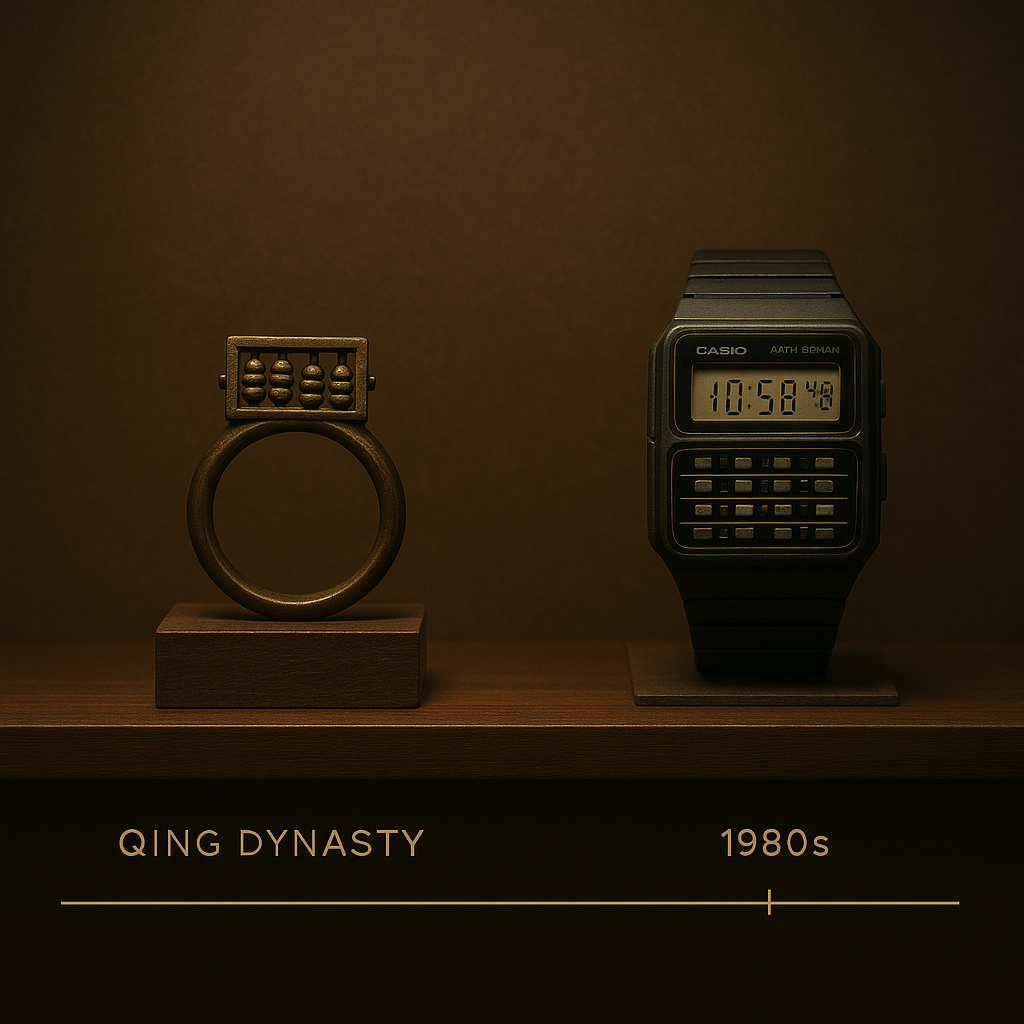
The Early Days
The concept of wearable technology dates back centuries, with early examples such as the abacus ring from the Qing Dynasty and the first wristwatches in the 16th century. The 20th century saw the rise of calculator watches, which became popular in the 1980s. These rudimentary devices laid the foundation for today’s sophisticated wearables.
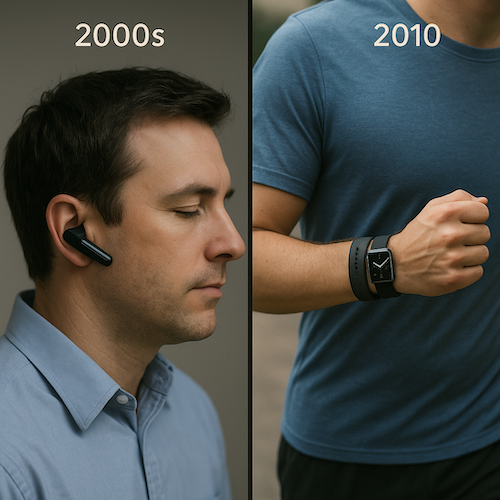
The Rise of Digital Wearables
The early 2000s marked the beginning of digital wearable technology. Bluetooth headsets, heart rate monitors, and the first-generation smartwatches gained popularity. The launch of the Fitbit in 2009 revolutionized the fitness industry, encouraging people to track their steps and monitor their health more efficiently.
In 2015, the Apple Watch entered the market, blending functionality with style. Meanwhile, Google experimented with smart eyewear through Google Glass, although privacy concerns hindered its widespread adoption.
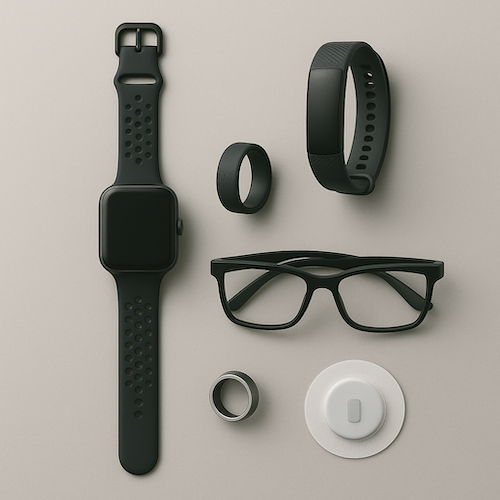
Modern Wearables: Smart and Connected
Today’s wearable devices go beyond simple tracking. They include:
- Smartwatches (Apple Watch, Samsung Galaxy Watch) that track fitness, monitor heart rates, and even offer ECG readings.
- Fitness Bands (Fitbit, Xiaomi Mi Band) that help users stay active and monitor sleep patterns.
- AR & VR Glasses (Meta Quest, Microsoft HoloLens) that enhance gaming, training, and real-world applications.
- Smart Rings and Clothing that measure biometric data for health and performance improvement.
- Medical Wearables like continuous glucose monitors and wearable ECG devices that help in managing chronic illnesses.
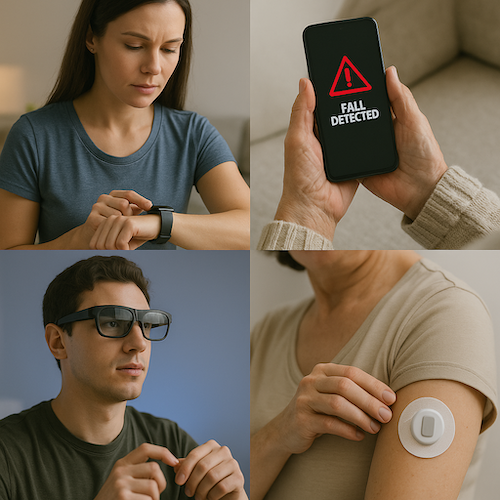
Advantages of Wearable Technology
- Health and Fitness Tracking – Real-time monitoring of steps, heart rate, and sleep patterns help users maintain a healthier lifestyle.
- Convenience – Hands-free access to notifications, calls, and messages improves productivity.
- Enhanced Safety – Wearables can track location, detect falls, and send emergency alerts.
- Augmented Reality & Immersive Experiences – Devices like AR glasses improve gaming, training, and remote work applications.
- Medical Advancements – Continuous health monitoring allows early detection of diseases and better management of conditions.
Disadvantages of Wearable Technology
- Privacy Concerns – Many wearables collect sensitive data, raising concerns about security and misuse.
- Battery Life – Frequent charging remains a challenge for most wearable devices.
- Cost – High-end smartwatches and AR glasses come with a hefty price tag, making them inaccessible to many.
- Data Accuracy Issues – While wearables provide insights, they are not always 100% accurate in tracking health metrics.
- Dependency on Smartphones – Many wearables require pairing with a smartphone for full functionality, limiting their standalone capabilities.
The Future of Wearable Technology
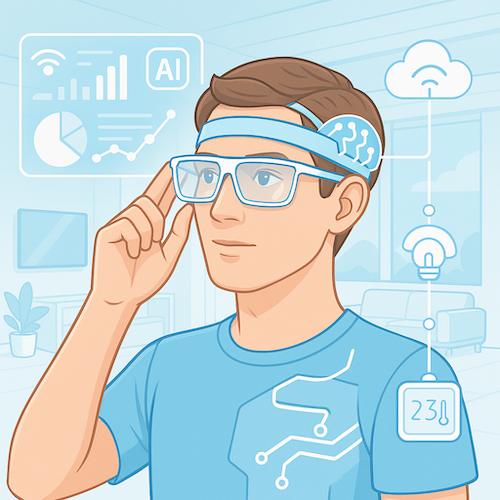
The next phase of wearable evolution is expected to include AI-powered personal assistants, advanced brain-computer interfaces, and seamless integration with IoT devices. Future innovations may also bring self-powered wearables with improved battery life, making them more efficient and sustainable.
Conclusion
Wearable technology has evolved rapidly, transforming industries such as healthcare, fitness, and entertainment. While these devices offer numerous benefits, they also come with challenges that need to be addressed. As technology advances, wearables will become more powerful, making our lives more connected, efficient, and healthier. The future of wearables is not just about tracking—it’s about enhancing human potential.
Frequently Asked Questions About Wearable Technology
1. What is Wearable Technology?
Wearable Technology refers to smart electronic devices that can be worn on the body, such as smartwatches, fitness trackers, smart rings, AR glasses, and medical wearables. These devices can track health, fitness, communication, location, and other real-time data.
2. How has Wearable Technology evolved over time?
Wearable Technology has evolved from basic wristwatches and calculator watches to advanced smartwatches, fitness bands, AR glasses, and health-monitoring devices. Modern wearables now use sensors, Bluetooth, AI, and mobile apps to provide more personalized and useful features.
3. What are the main benefits of Wearable Technology?
The main benefits of Wearable Technology include fitness tracking, heart rate monitoring, sleep analysis, hands-free notifications, emergency alerts, and better health awareness. Some medical wearables can also help users monitor chronic conditions more effectively.
4. What are some disadvantages of Wearable Technology?
Some disadvantages of Wearable Technology include privacy concerns, limited battery life, high cost, data accuracy issues, and dependency on smartphones. Since wearables collect personal health and activity data, users should also be careful about app permissions and data sharing.
5. What is the future of Wearable Technology?
The future of Wearable Technology is expected to include AI-powered health insights, smart clothing, advanced AR glasses, self-powered devices, and deeper integration with healthcare systems. As sensors and batteries improve, wearables may become even more accurate, comfortable, and useful in daily life.



Leave a Reply
Want to join the discussion?Feel free to contribute!