
The Future of AI in Daily Life
Artificial Intelligence is becoming part of everyday life, changing how people work, shop, learn, communicate, and manage daily tasks. From voice assistants and smart home devices to recommendation engines and productivity tools, AI is making many activities faster and more convenient. However, as these systems become more common, it is important to ask whether this progress is improving our lives or making us too dependent on technology.
The Role of AI in Daily Life
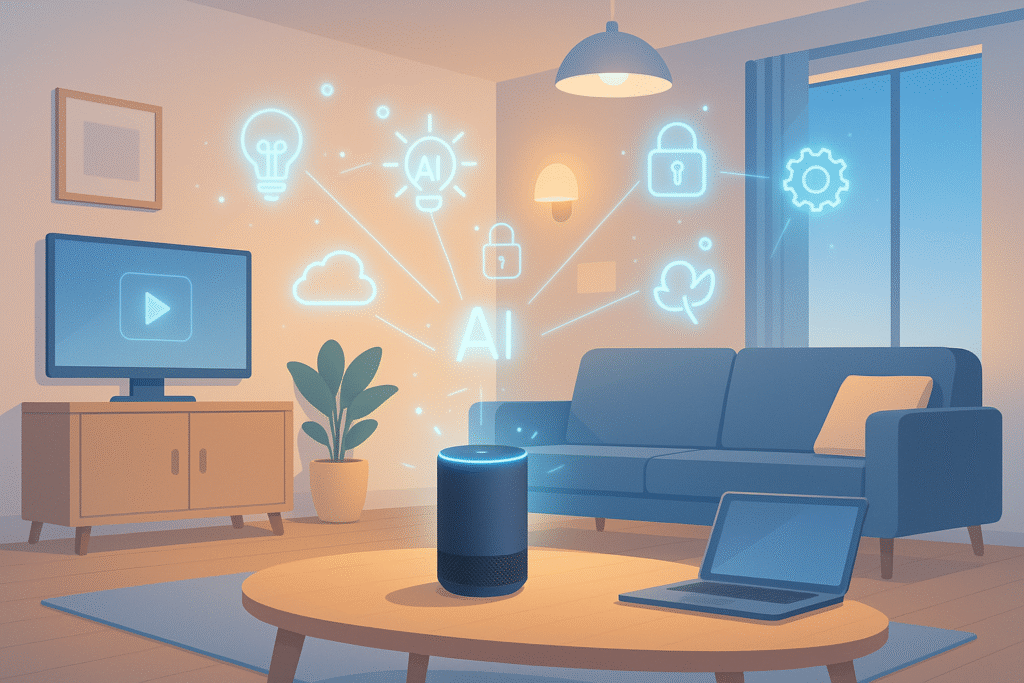
AI already supports many common activities. In smart homes, voice-controlled speakers, security cameras, thermostats, and connected appliances help automate routine tasks. In healthcare, intelligent tools support appointment reminders, health tracking, early diagnosis, and virtual consultations. In shopping and entertainment, recommendation systems suggest products, movies, music, and shows based on user preferences.
In the workplace, AI tools help with writing, scheduling, customer support, data analysis, and repetitive tasks. These tools can save time, reduce manual effort, and help businesses work more efficiently. For students and professionals, smart assistants can also support research, planning, note-taking, and learning.
The Convenience Factor
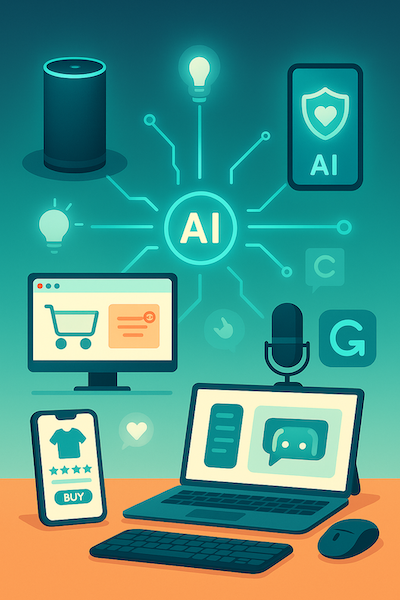
One of the biggest advantages of AI is convenience. It can automate small but time-consuming tasks such as setting reminders, sorting emails, managing calendars, and suggesting routes. Instead of spending extra time on repetitive activities, people can focus on work, creativity, family, and personal goals.
Personalization is another major benefit. Streaming platforms, shopping apps, fitness apps, and learning platforms use smart algorithms to understand user behaviour and offer more relevant suggestions. This can make digital experiences smoother and more useful.
Accessibility is also improving. Voice commands, speech-to-text tools, translation apps, and assistive technologies help people with disabilities use digital services more easily. In this way, AI can make technology more inclusive and practical for different users.

The Risk of Overdependence
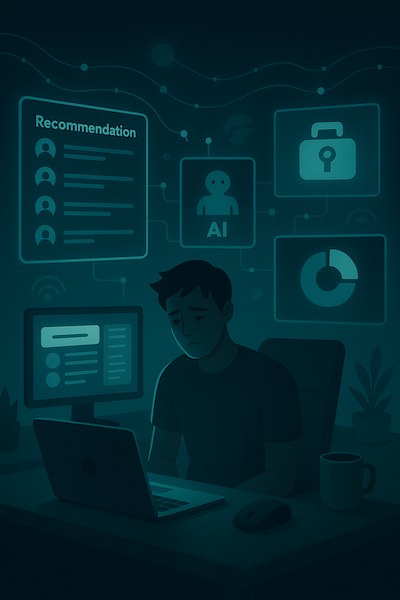
While AI offers many benefits, overdependence can create problems. If users rely too much on automated suggestions, they may stop questioning information, comparing options, or making independent decisions. For example, always following algorithm-based recommendations can limit exposure to different opinions, products, or ideas.
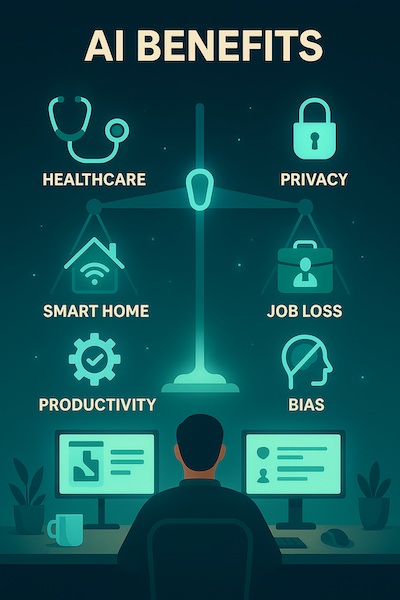
There are also concerns about jobs. Automation can improve productivity, but it may reduce demand for certain repetitive roles in customer service, manufacturing, data entry, and administration. Workers will need to develop new skills to stay relevant in a changing job market.
Privacy is another serious issue. Many smart tools collect personal data to improve performance and recommendations. If this data is not handled responsibly, it can create risks related to tracking, profiling, security breaches, and misuse of personal information.
Bias is also a challenge. Intelligent systems learn from existing data, and if that data contains unfair patterns, the results can also become unfair. This can affect hiring, lending, healthcare, education, and other important decisions.
Striking a Balance
The best approach is not to reject AI, but to use it carefully. People should treat it as a helpful tool, not as a replacement for human judgment. Digital literacy is important because users need to understand how recommendations work, how data is collected, and when to question automated results.
Privacy awareness is equally important. Users should review app permissions, limit unnecessary data sharing, use strong passwords, and choose platforms with clear privacy controls. Businesses and developers should also build systems that are transparent, ethical, and secure.
Human involvement should remain central. In healthcare, education, finance, and legal services, technology can support professionals, but final decisions should still involve human expertise, empathy, and responsibility.
The Verdict: Convenience or Overdependence?
For a helpful external reference, readers can check Google’s official guide on responsible artificial intelligence here: https://ai.google/responsibility/responsible-ai-practices/. This can help readers understand how smart systems should be developed and used safely, fairly, and transparently. You can also read our related internal article on AI Privacy and Data Protection here: https://www.informationunboxed.com/ai-privacy-and-data-protection-safeguarding-the-future/ to learn more about protecting personal information while using modern digital tools.
The future of AI in daily life depends on how wisely people use it. When used responsibly, it can improve productivity, comfort, accessibility, and decision-making. But when used without awareness, it can increase dependency, reduce privacy, and weaken critical thinking.
The key is balance. Users should enjoy the benefits of smart tools while staying informed, cautious, and independent. Governments, companies, developers, and individuals all have a role in creating safer and more responsible technology.
Conclusion
AI will continue to shape daily life, but people must decide how much control they are willing to give to automated systems. By using smart tools mindfully, protecting personal data, and continuing to think critically, users can enjoy convenience without losing independence. The goal should be to make technology support human life, not control it.





Leave a Reply
Want to join the discussion?Feel free to contribute!