
The Dawn of Wireless Communication
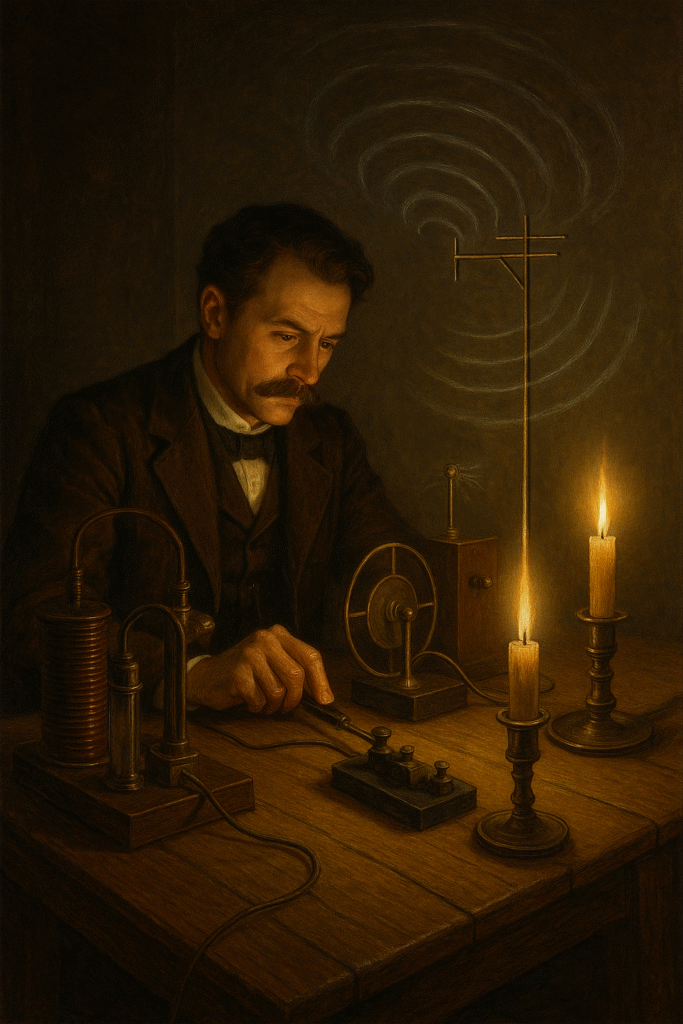
Imagine a world where communication was limited by wires. That was the reality before wireless technology took center stage. The journey of wireless communication began with the discovery of radio waves in the late 19th century. Guglielmo Marconi’s pioneering work in wireless telegraphy in the 1890s laid the foundation for long-distance communication without physical connections. By the early 20th century, radio broadcasting and early mobile communication systems began to emerge, changing how humans connected across distances.
Wireless Technology has completely transformed how people communicate, work, travel, and connect with the digital world. From radio waves and mobile phones to 4G, 5G, IoT, and smart devices, Wireless Technology continues to make communication faster, easier, and more accessible. To understand the global development of mobile networks, you can read the GSMA’s official guide on mobile networks and wireless connectivity. You can also explore more helpful technology explainers in our Tech Tips section. As Wireless Technology keeps evolving, it will continue to shape smart cities, connected homes, artificial intelligence, healthcare, transportation, and the future of digital communication.
The Rise of Cellular Networks
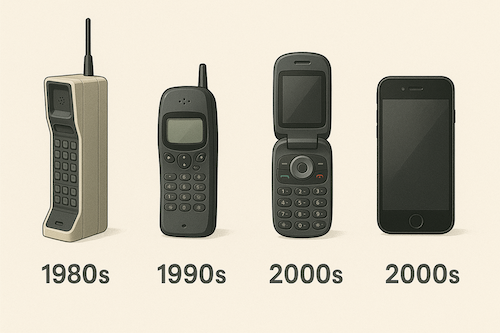
The invention of the first mobile phone by Martin Cooper in 1973 was a game-changer. The 1980s saw the launch of first-generation (1G) cellular networks, which introduced voice-only mobile communication. The 1990s brought second-generation (2G) networks, enabling text messaging and improved call quality. With the arrival of 3G in the 2000s, mobile internet became a reality, allowing for web browsing, video calling, and early smartphone applications.
The Era of High-Speed Connectivity
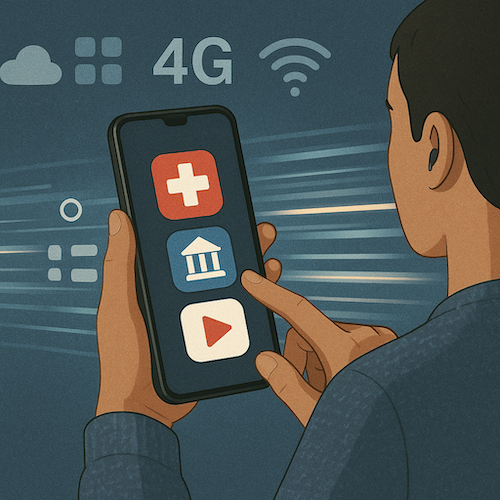
The launch of 4G networks in the 2010s revolutionized connectivity, enabling high-speed internet, streaming services, and seamless global communication. Smartphones became more powerful, and mobile applications transformed industries like healthcare, finance, and entertainment. Wireless technology was no longer just about communication—it was about digital transformation.
5G and Beyond
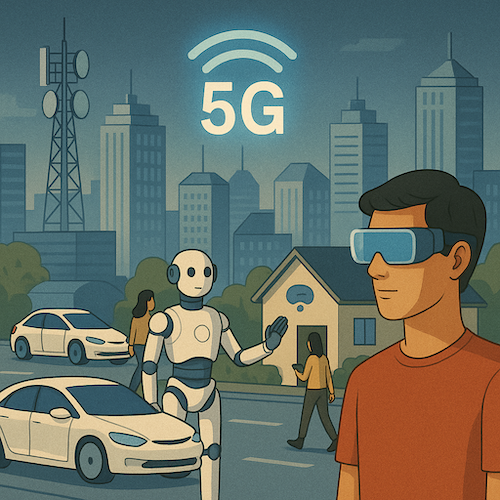
The introduction of 5G networks has brought ultra-fast speeds, low latency, and improved connectivity for billions of devices. This has paved the way for innovations in artificial intelligence, autonomous vehicles, smart cities, and the Internet of Things (IoT). With research already underway for 6G, the future of wireless technology promises even faster speeds and more immersive experiences, such as holographic communication and enhanced augmented reality.
Advantages of Wireless Technology
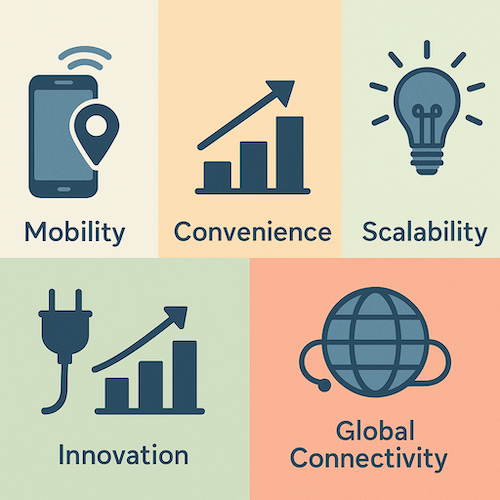
Mobility: Stay connected anytime, anywhere without being tethered by wires.
Convenience: Easy installation and minimal infrastructure requirements.
Scalability: Supports a growing number of devices with minimal effort.
Innovation: Drives advancements in AI, IoT, and smart technology.
Global Connectivity: Breaks geographical barriers for seamless communication.
Challenges and Concerns
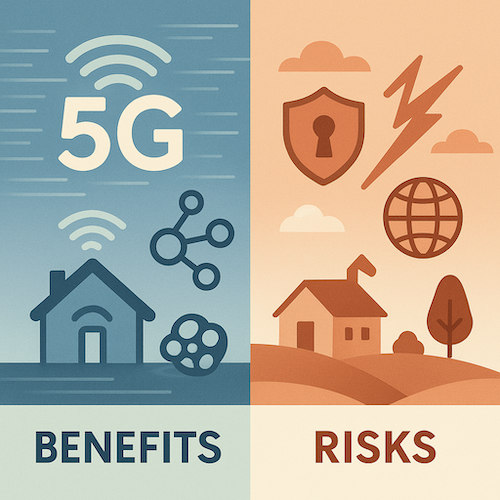
Security Risks: Wireless networks are vulnerable to hacking and data breaches.
Interference Issues: Signal disruptions can affect connectivity and performance.
Infrastructure Costs: Setting up advanced wireless networks requires significant investment.
Health Concerns: Ongoing debates on the long-term effects of radiofrequency exposure.
Digital Divide: Not all regions have equal access to high-speed wireless technology.
The Future of Wireless
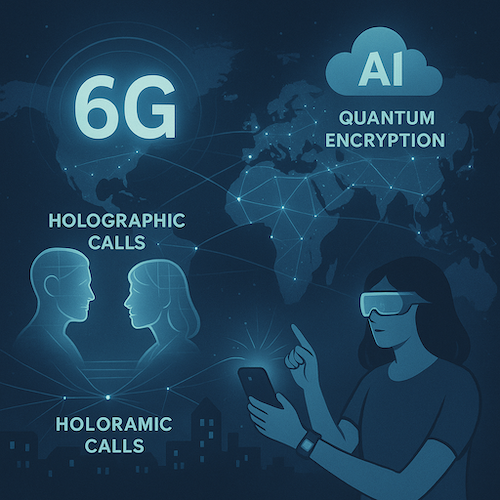
Wireless technology is evolving at an unprecedented pace. As we move toward 6G, quantum communication, and more intelligent networks, the boundaries of connectivity will continue to expand. With innovations in AI-driven automation, smart homes, and virtual reality, the next phase of wireless evolution promises a world where seamless communication is at the heart of human interaction.
FAQs About Wireless Communication
1. What is Wireless Communication?
Wireless Communication is the transfer of voice, data, images, or signals without using physical wires. It works through technologies like radio waves, cellular networks, Wi-Fi, Bluetooth, satellite systems, and mobile networks.
2. Why is Wireless Communication important?
Wireless Communication is important because it allows people to stay connected from almost anywhere. It supports mobile phones, internet access, smart devices, online work, digital payments, emergency services, and modern business communication.
3. How has Wireless Communication changed over time?
Wireless Communication has evolved from early radio transmission and wireless telegraphy to 1G, 2G, 3G, 4G, and 5G networks. Each generation improved speed, coverage, reliability, and the way people connect digitally.
4. What are the main benefits of Wireless Communication?
The main benefits of Wireless Communication include mobility, convenience, faster connectivity, easy device access, global communication, and support for smart technologies like IoT, AI devices, connected cars, and smart homes.
5. What are the challenges of Wireless Communication?
Wireless Communication can face challenges such as security risks, signal interference, network congestion, high infrastructure costs, privacy concerns, and unequal access in rural or remote areas.
6. What is the future of Wireless Communication?
The future of Wireless Communication will include faster 5G expansion, 6G research, smart cities, connected healthcare, autonomous vehicles, advanced IoT systems, and more reliable high-speed digital connectivity.



Leave a Reply
Want to join the discussion?Feel free to contribute!