
Blockchain Beyond Cryptocurrency: Real-World Applications
Introduction
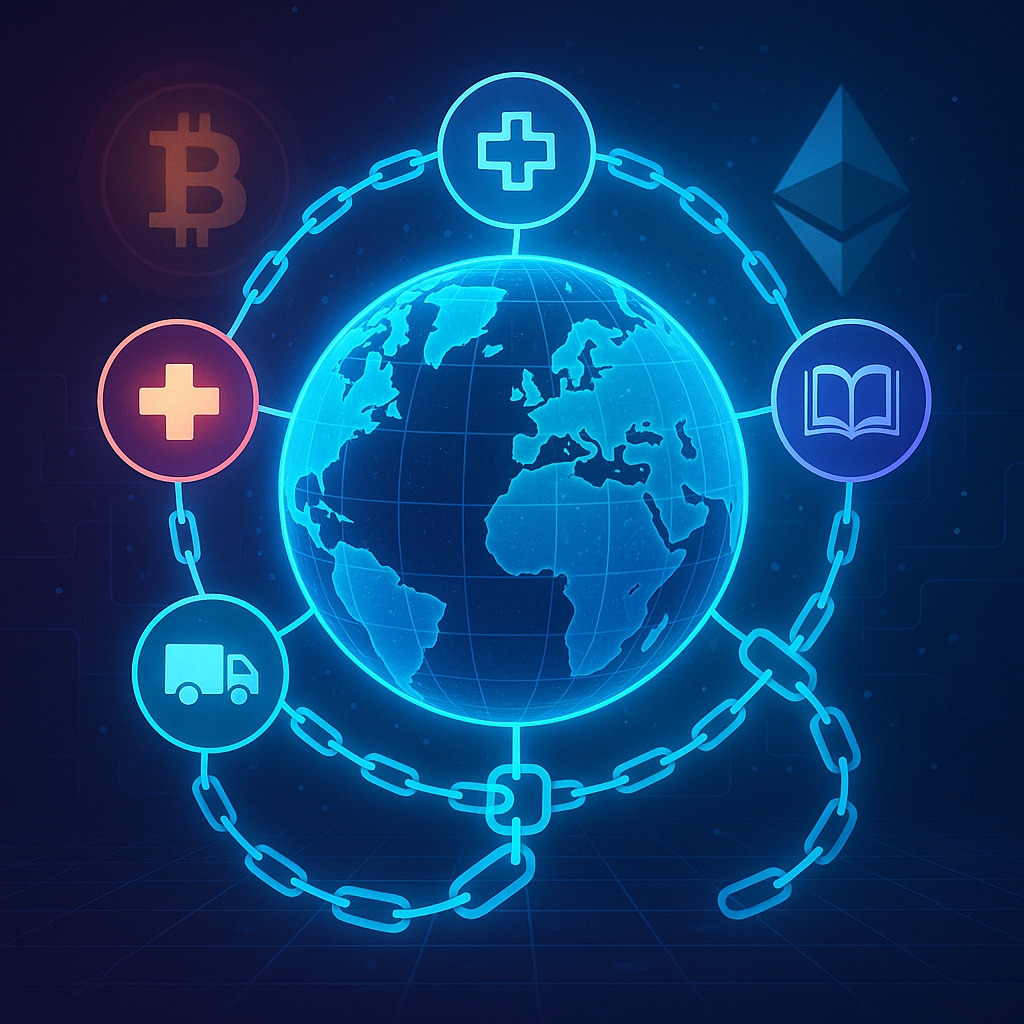
Blockchain Beyond Cryptocurrency is becoming important because blockchain technology is now used in supply chains, healthcare, finance, voting, real estate, identity management, education, logistics, and energy systems. While many people connect blockchain only with Bitcoin or digital money, Blockchain Beyond Cryptocurrency shows how this technology can improve transparency, security, trust, and efficiency in real-world industries. This guide on Blockchain Beyond Cryptocurrency explains how decentralized records, smart contracts, tamper-proof data, and secure verification can solve practical business and government challenges.
Blockchain Beyond Cryptocurrency is useful for tracking products, protecting patient records, verifying academic certificates, preventing identity fraud, managing property ownership, and improving cross-border transactions. Businesses exploring Blockchain Beyond Cryptocurrency can reduce fraud, remove unnecessary middlemen, improve data accuracy, and build stronger digital trust. The future of Blockchain Beyond Cryptocurrency looks promising as more industries use blockchain for safer, faster, and more transparent systems. For a helpful external reference, readers can check IBM’s official blockchain guide here: https://www.ibm.com/topics/blockchain. You can also read our related internal article on The Evolution of Artificial Intelligence here: https://www.informationunboxed.com/the-evolution-of-artificial-intelligence/ to understand how emerging technologies are changing the digital world alongside Blockchain Beyond Cryptocurrency.
Blockchain technology is often associated with Cryptocurrency, especially popular digital assets like Bitcoin and Ethereum. However, its potential extends far beyond digital currencies. Blockchain offers a decentralized, transparent, and secure way to record transactions, making it ideal for various industries looking to improve efficiency and trust.
In this blog, we explore the real-world applications of blockchain technology beyond Cryptocurrency and how it is transforming industries worldwide.
Supply Chain Management
How It Works:
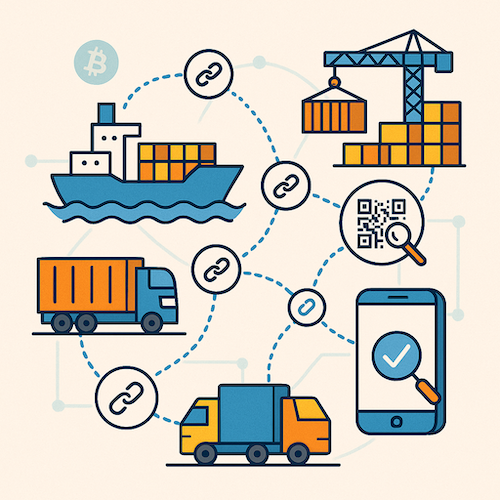
Blockchain provides an immutable ledger to track goods and verify their origins, ensuring transparency throughout the supply chain.
Use Cases:
- Verifying the authenticity of luxury goods, pharmaceuticals, and organic products.
- Tracking shipments in real time to prevent fraud and delays.
- Recording production details to ensure ethical sourcing.
Benefits:
- Reduces counterfeit goods.
- Improves transparency and accountability.
- Enhances efficiency in tracking and logistics.
Healthcare
How It Works:
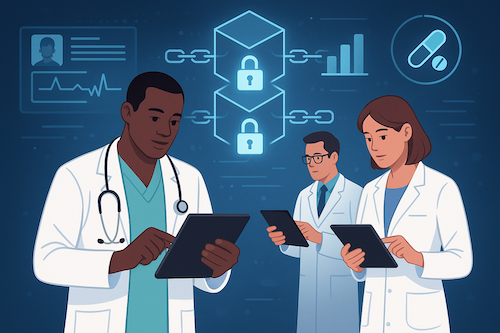
Blockchain secures patient records, making them accessible only to authorized personnel.
Use Cases:
- Maintaining tamper-proof medical histories.
- Managing drug supply chains to eliminate counterfeit medicines.
- Enabling secure sharing of health data for research and clinical trials.
Benefits:
- Enhances data privacy and security.
- Reduces errors and fraud in patient data.
- Simplifies insurance claims and billing processes.
Financial Services
How It Works:
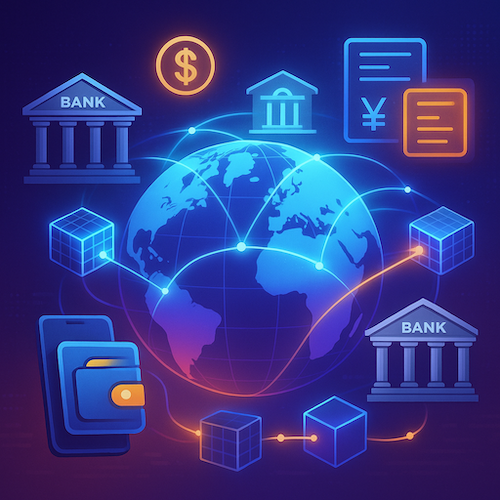
Blockchain streamlines payment systems, lending, and fraud detection through transparent and immutable transactions.
Use Cases:
- Enabling faster and cheaper cross-border payments.
- Simplifying loan and mortgage approvals.
- Reducing fraud in transactions and audits.
Benefits:
- Improves transaction speed and accuracy.
- Reduces operational costs.
- Provides better security and fraud prevention.
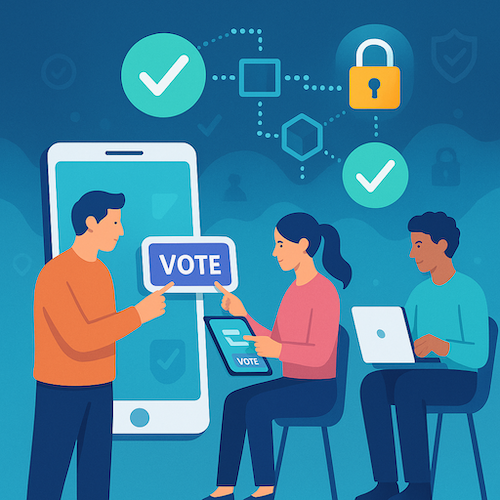
Voting Systems
How It Works:
Blockchain ensures secure and transparent voting processes by recording votes in an immutable ledger.
Use Cases:
- Conducting national and local elections with verifiable results.
- Enabling remote voting for expatriates.
Benefits:
- Prevents tampering and election fraud.
- Ensures transparency and trust.
- Simplifies vote counting and verification.
Real Estate
How It Works:
Blockchain digitizes property transactions, simplifying processes like buying, selling, and leasing properties.
Use Cases:
- Smart contracts for automatic property transfers.
- Verifying property ownership and titles.
- Recording and validating land registries.
Benefits:
- Reduces paperwork and processing times.
- Minimizes fraud and disputes.
- Enhances transparency in property ownership.

Intellectual Property Protection
How It Works:
Blockchain records intellectual property rights, ensuring proof of ownership and enabling licensing.
Use Cases:
- Protecting copyrights for music, art, and written content.
- Managing royalties and digital rights.
Benefits:
- Prevents intellectual property theft.
- Ensures fair royalty distribution.
- Provides clear proof of ownership.

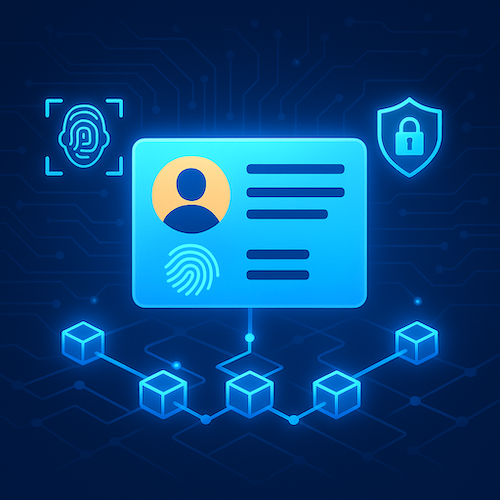
Identity Management
How It Works:
Blockchain secures digital identities, eliminating the need for centralized databases.
Use Cases:
- Managing personal IDs, passports, and driver’s licenses.
- Verifying identities for online services.
- Preventing identity theft and fraud.
Benefits:
- Enhances privacy and security.
- Simplifies verification processes.
- Reduces identity fraud risks.
Energy Sector
How It Works:
Blockchain facilitates peer-to-peer energy trading and monitors energy consumption.
Use Cases:
- Enabling homeowners to sell excess solar energy.
- Tracking renewable energy sources.
Benefits:
- Promotes sustainable energy practices.
- Reduces reliance on intermediaries.
- Ensures accurate energy usage records.

Education
How It Works:
Blockchain records academic credentials and certifications securely.
Use Cases:
- Verifying degrees and certificates.
- Preventing diploma fraud.
- Simplifying application processes.
Benefits:
- Enhances trust in academic qualifications.
- Streamlines verification for employers.
- Eliminates fake credentials.

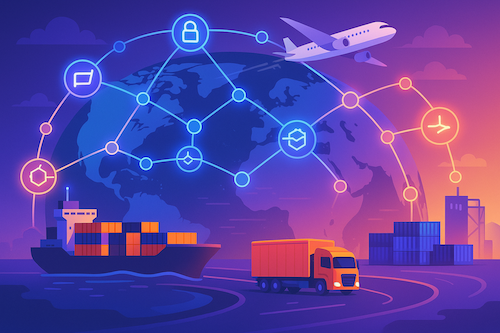
Logistics and Transportation
How It Works:
Blockchain provides real-time tracking and validation of shipments and deliveries.
Use Cases:
- Managing vehicle maintenance records.
- Tracking shipments in global logistics.
- Verifying authenticity and condition of goods during transit.
Benefits:
- Improves transparency and accountability.
- Reduces delays and fraud.
- Optimizes supply chain management.
Final Thoughts
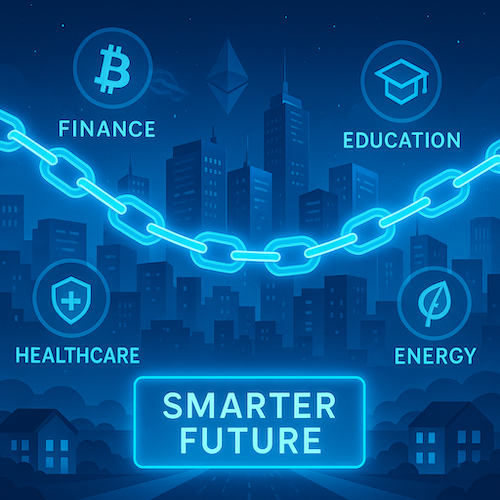
Blockchain technology is revolutionizing industries by offering secure, transparent, and decentralized solutions to long-standing problems. Its applications extend far beyond cryptocurrencies, enabling businesses and governments to improve trust, security, and efficiency.




Leave a Reply
Want to join the discussion?Feel free to contribute!