
Sustainable Tech: Green Innovations in the IT World
Sustainable Tech is at the forefront of today’s rapidly evolving technological landscape. With growing concerns about climate change and environmental degradation, the IT industry is stepping up to integrate eco-friendly solutions. This blog explores how technology is driving environmental change through green innovations.
Sustainable Tech is changing the IT world by helping companies reduce energy use, cut carbon emissions, manage e-waste, and build greener digital systems. As businesses depend more on cloud computing, data centers, AI, IoT, and connected devices, Sustainable Tech has become important for creating cleaner and more responsible technology solutions. This guide on Sustainable Tech explains how green innovations such as energy-efficient data centers, renewable energy, eco-friendly hardware, e-waste recycling, smart grids, green software, remote work tools, and AI-based carbon tracking are shaping the future of IT.
For companies and consumers, Sustainable Tech is not just about saving electricity; it is also about reducing environmental damage, improving resource efficiency, and supporting long-term digital growth. The future of Sustainable Tech depends on smarter hardware design, cleaner energy adoption, better recycling programs, and software that uses fewer computing resources. For a helpful external reference, readers can check the Green Software Foundation here: https://greensoftware.foundation/. You can also read our related internal article on The Evolution of Artificial Intelligence here: https://www.informationunboxed.com/the-evolution-of-artificial-intelligence/ to understand how modern technologies can support smarter and more sustainable innovation. By adopting Sustainable Tech, the IT industry can support innovation while also building a greener, cleaner, and more sustainable world.
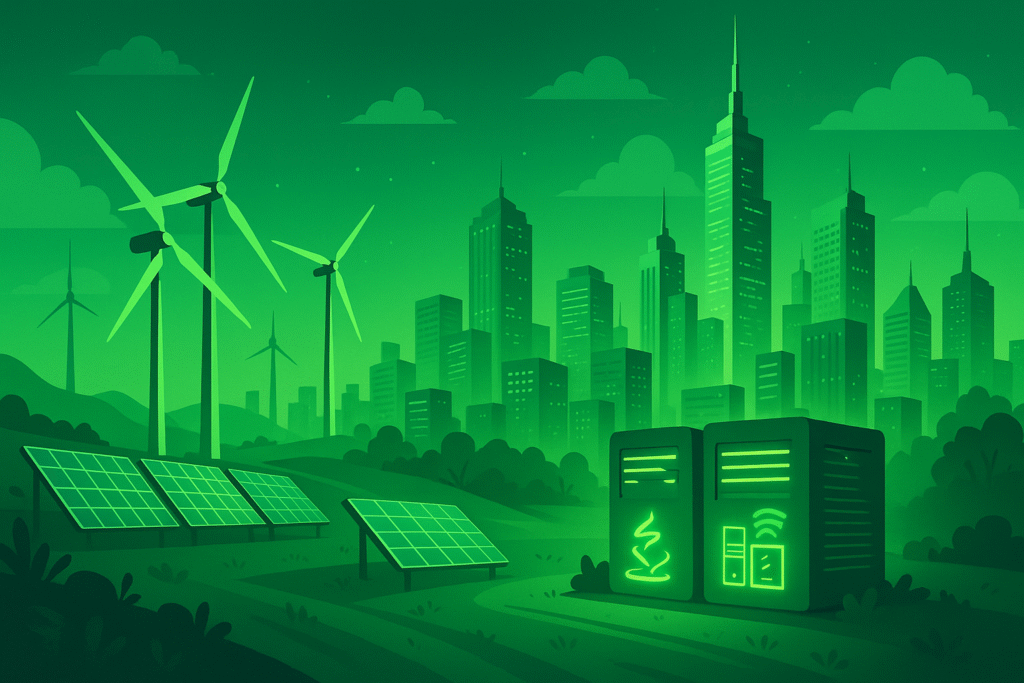
Energy-Efficient Data Centers
Data centers are the backbone of modern IT infrastructure, but they consume massive amounts of energy. Companies are now adopting energy-efficient designs, renewable energy sources, and advanced cooling techniques to reduce their carbon footprint. Google’s data centers, for example, use AI-driven systems to optimize energy usage, achieving up to 40% energy savings.

Renewable Energy Adoption
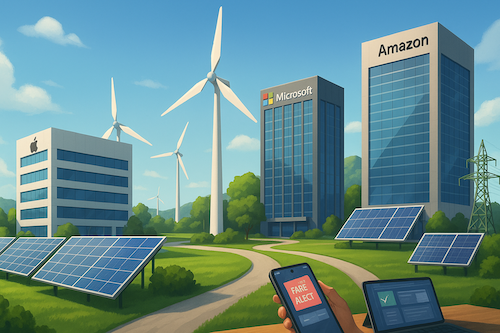
Tech giants like Apple, Microsoft, and Amazon are leading the way in transitioning to renewable energy. Apple powers all its facilities worldwide with 100% renewable energy, while Microsoft has committed to becoming carbon-negative by 2030. This shift reduces reliance on fossil fuels and promotes cleaner energy sources.
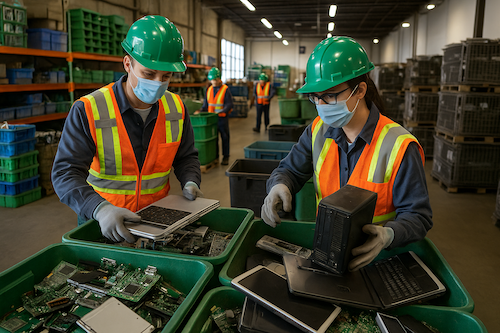
E-Waste Management and Recycling
Electronic waste (e-waste) poses a significant environmental threat. Companies are now prioritizing recycling programs and creating devices with modular designs for easier repairs and upgrades. Dell, for instance, incorporates recycled plastics in its products and offers take-back programs for old devices.
Eco-Friendly Hardware Design
Manufacturers are focusing on creating sustainable hardware. From using biodegradable materials to designing energy-efficient processors, innovations are making devices more eco-friendly. Fairphone, a sustainable smartphone brand, emphasizes ethical sourcing and repairability to extend product lifecycles.

Green Software Development
Software development is also contributing to sustainability by optimizing code for energy efficiency. Lightweight applications reduce processing power requirements, leading to lower energy consumption. Developers are embracing tools to measure and improve software sustainability.

Smart Grids and IoT for Energy Management
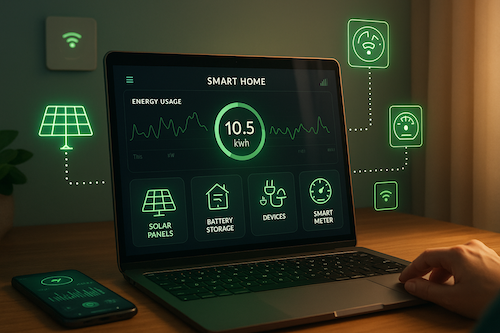
The Internet of Things (IoT) and smart grid technologies are enabling better energy management. Smart meters, sensors, and automated systems help monitor and optimize energy use in real time, reducing wastage and improving efficiency.
Remote Work and Digital Transformation
The rise of remote work has minimized the need for office spaces, cutting down energy usage and emissions from commuting. Cloud computing and collaboration tools further support digital transformation, making operations more eco-friendly.

Carbon Capture and AI Solutions
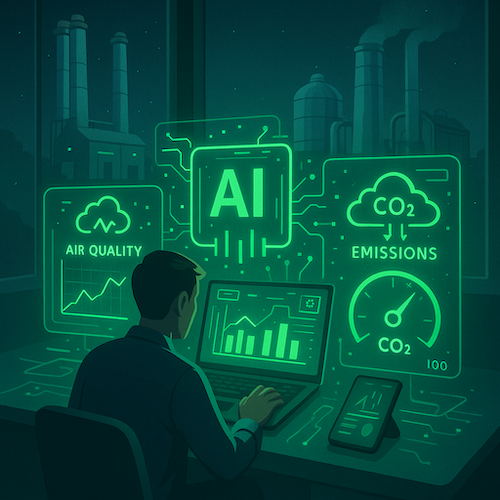
AI technologies are being leveraged to track and reduce carbon emissions. From monitoring air quality to developing carbon capture systems, AI plays a vital role in sustainable development.
Final Thoughts
Sustainable technology is not just a trend but a necessity for the future. As businesses and consumers become more environmentally conscious, green innovations in IT will continue to drive positive change. By adopting energy-efficient practices, promoting recycling, and leveraging AI, the tech industry can lead the charge toward a greener, more sustainable world.
Frequently Asked Questions About Sustainable Tech
1. What is Sustainable Tech?
Sustainable Tech refers to technology that reduces environmental impact by saving energy, lowering carbon emissions, reducing e-waste, and supporting eco-friendly digital practices.
2. Why is Sustainable Tech important in the IT world?
Sustainable Tech is important because the IT industry uses large amounts of energy through data centers, cloud computing, hardware manufacturing, and digital services. Green innovations help reduce pollution and support a cleaner future.
3. How do energy-efficient data centers support Sustainable Tech?
Energy-efficient data centers support Sustainable Tech by using smarter cooling systems, renewable energy, AI-based energy monitoring, and optimized servers to reduce electricity consumption.
4. What role does renewable energy play in Sustainable Tech?
Renewable energy helps power offices, data centers, and IT infrastructure using cleaner sources like solar, wind, and hydro power instead of fossil fuels.
5. How does e-waste recycling help the environment?
E-waste recycling helps recover useful materials from old electronics and reduces the amount of harmful waste sent to landfills. It also supports responsible device disposal and reuse.
6. What is green software development?
Green software development means creating apps, websites, and systems that use fewer computing resources, consume less energy, and run efficiently on devices and servers.
7. How can businesses adopt Sustainable Tech?
Businesses can adopt Sustainable Tech by using cloud optimization, renewable energy, energy-efficient devices, responsible recycling programs, remote work tools, and eco-friendly software practices.
8. Can Sustainable Tech reduce business costs?
Yes, Sustainable Tech can reduce costs by lowering electricity bills, improving hardware efficiency, reducing waste, and helping companies use digital resources more wisely.
9. How does AI support Sustainable Tech?
AI supports Sustainable Tech by monitoring energy use, improving data center efficiency, tracking carbon emissions, optimizing supply chains, and helping businesses make smarter sustainability decisions.
10. What is the future of Sustainable Tech?
The future of Sustainable Tech will include cleaner data centers, recyclable devices, green software, smart energy systems, AI-powered sustainability tools, and wider use of renewable energy in the IT industry.





Leave a Reply
Want to join the discussion?Feel free to contribute!