
The AI Revolution in Content Creation
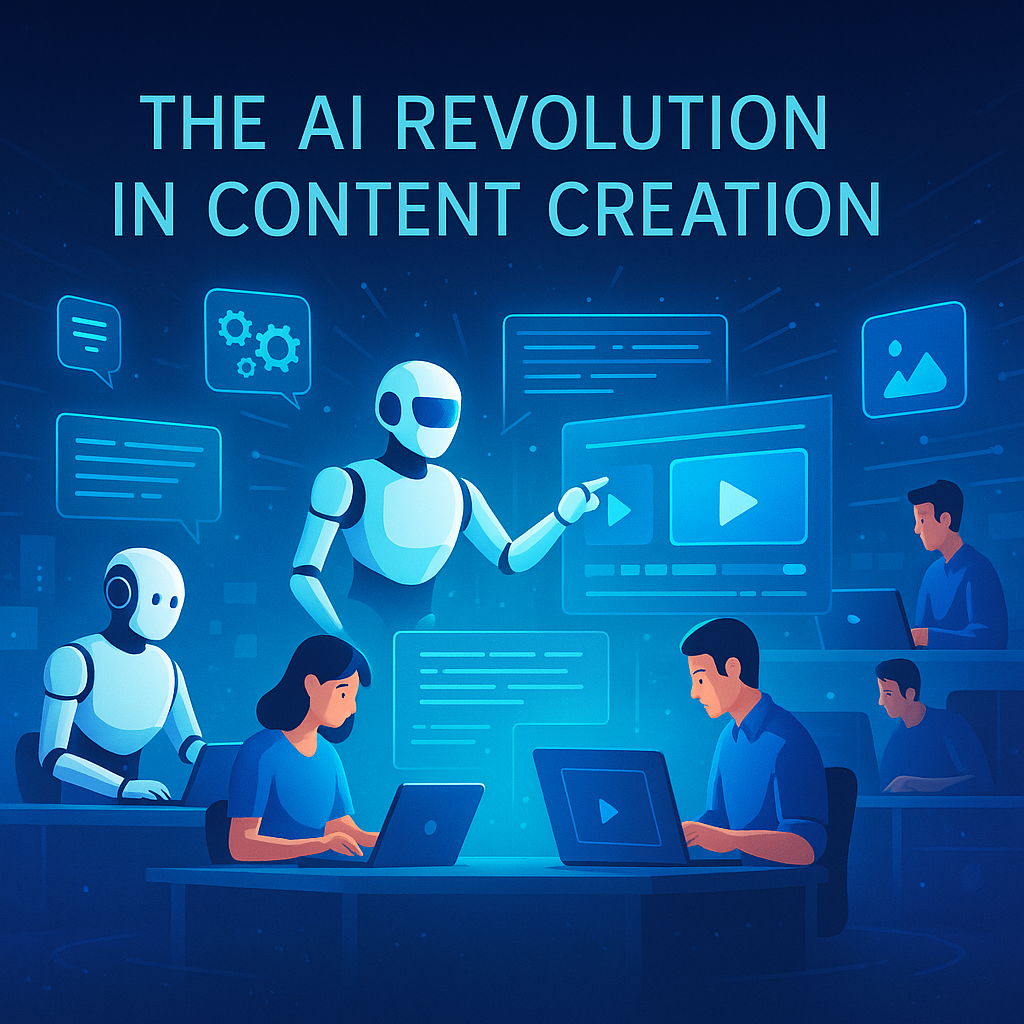
Content Creation is undergoing a massive transformation thanks to artificial intelligence. In today’s digital world, AI-powered tools are changing how content is planned, written, edited, and distributed across platforms. From blog posts and social media captions to video scripts and marketing campaigns, Content Creation is becoming faster, smarter, and more personalized than ever before. Artificial intelligence is no longer just a futuristic concept—it’s here, and it’s reshaping the way businesses, marketers, and creators approach Content Creation in the modern era.
The Rise of AI-Generated Content
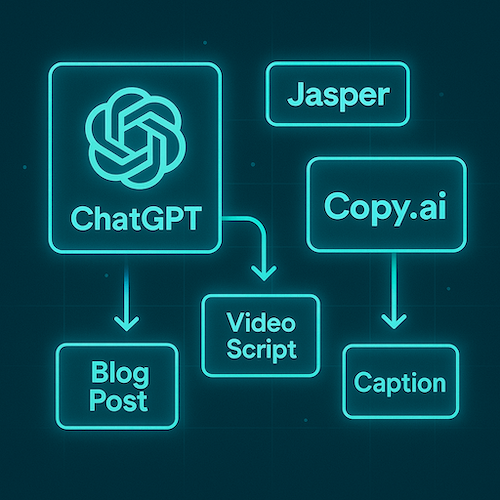
AI-powered tools like ChatGPT, Jasper, Copy.ai, and others have made it easier than ever to generate content in seconds. Whether it’s blog posts, social media captions, video scripts, or even poetry, AI can produce text that is coherent, engaging, and tailored to specific audiences. Unlike traditional content creation, which demands time, effort, and creativity, AI-driven solutions offer efficiency and scalability.
For example, brands are now using AI to personalize their marketing messages. Instead of crafting individual emails for thousands of customers, AI can analyze user data and create tailored messages that increase engagement and conversion rates. Similarly, video platforms use AI to auto-generate captions, summaries, and even entire scripts, reducing the workload for content creators.
Enhancing Creativity, Not Replacing It
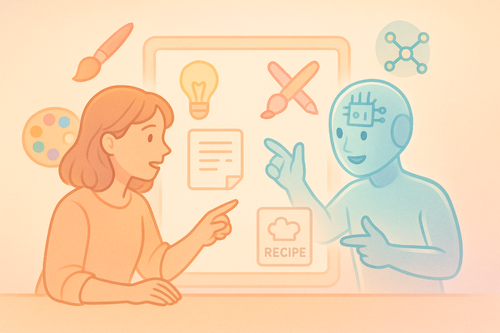
One common misconception is that AI is here to replace human creativity. The reality is quite the opposite. AI functions as a powerful assistant, helping creators brainstorm ideas, refine their work, and optimize content for different platforms. Writers, for instance, can use AI for ideation, grammar suggestions, and SEO optimization, allowing them to focus on storytelling and emotional connection.
In the world of design and video editing, AI-powered tools like Canva, Adobe Sensei, and Runway ML automate tedious tasks such as background removal, color correction, and even animation. This allows creators to spend more time on conceptualization rather than execution.
The Impact on Social Media and Influencer Marketing
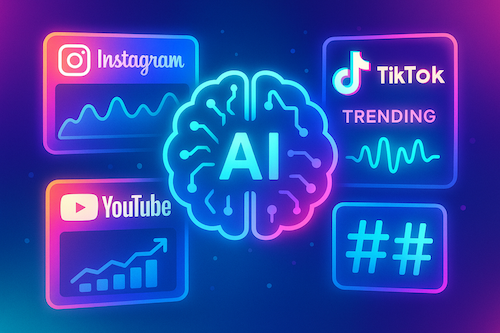
Social media has become the heart of digital content creation, and AI is playing a crucial role in its evolution. AI algorithms determine what content appears on users’ feeds, analyzing behavior and preferences to maximize engagement. Platforms like Instagram and TikTok use AI to recommend trending sounds, suggest hashtags, and even generate video clips automatically.
Influencers and marketers are also leveraging AI-powered analytics tools to understand their audience better. These tools can predict the best times to post, suggest content themes, and even analyze competitor strategies. AI chatbots are also becoming increasingly popular for engaging with audiences, answering queries, and providing personalized recommendations.
Ethical Concerns and the Future of AI in Content
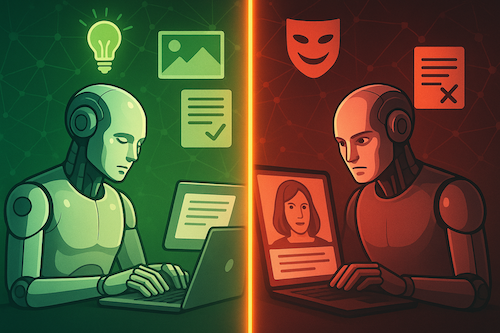
While AI offers incredible benefits, it also raises ethical concerns. The rise of AI-generated deepfakes, misinformation, and plagiarism is a growing issue. As AI becomes more advanced, distinguishing between human-generated and AI-generated content will become more challenging, potentially blurring the lines of authenticity and trust.
Moreover, there’s an ongoing debate about AI’s impact on jobs. While AI enhances productivity, some fear it could replace human roles in content writing, design, and even journalism. However, history has shown that technological advancements often create new job opportunities while transforming existing ones. The key lies in adapting and leveraging AI as a collaborator rather than a competitor.
Learn More About The AI Revolution in Content Creation
To explore the latest developments in artificial intelligence and content generation, visit OpenAI (DoFollow link: https://openai.com/), Google AI (DoFollow link: https://ai.google/), and Adobe Sensei (DoFollow link: https://www.adobe.com/sensei.html). These resources provide valuable insights into AI-powered content creation, machine learning, digital marketing, and the future of creative technologies.
For more technology insights, explore our Information Unboxed articles on ChatGPT vs Google Search, Deepfake Technology: The Double-Edged Sword, Artificial Intelligence Explained, Stay Safe Online, and Detecting and Avoiding Phishing Scams. These guides will help you better understand AI innovations, cybersecurity challenges, and the future of digital content creation.
Frequently Asked Questions About Content Creation
What is Content Creation?
Content Creation is the process of producing digital content such as blog posts, videos, social media posts, podcasts, and graphics to inform, educate, entertain, or engage an audience.
How is AI changing Content Creation?
AI is making Content Creation faster and more efficient by helping with idea generation, writing, editing, SEO optimization, image creation, and content personalization.
Can AI replace human Content Creation?
No. While AI can assist with Content Creation, human creativity, storytelling, emotional intelligence, and strategic thinking remain essential for creating meaningful and engaging content.
What are the benefits of AI-powered Content Creation?
AI-powered Content Creation helps save time, improve productivity, generate new ideas, optimize content for search engines, and streamline content marketing workflows.
Is AI-generated Content Creation good for SEO?
AI-generated Content Creation can perform well in search engines when it is accurate, valuable, original, and reviewed by humans to ensure quality and relevance.
The Road Ahead
AI is undoubtedly revolutionizing content creation, making it faster, smarter, and more personalized. However, human creativity, emotions, and storytelling will always remain at the core of impactful content. The future belongs to those who can harness the power of AI while maintaining authenticity and originality.
As AI continues to evolve, content creators must stay informed, experiment with AI tools, and find a balance between automation and human touch. The revolution is here—how we navigate it will determine the future of digital storytelling.


Leave a Reply
Want to join the discussion?Feel free to contribute!