
11 Dangerous Dangers of Oversharing on Social Media You Must Avoid
Dangers of Oversharing on social media are more serious than many people realize. In today’s digital world, sharing every update, location, photo, travel plan, or personal detail online can expose you to privacy risks, identity theft, cyberstalking, scams, and long-term reputation damage. Understanding the Dangers of Oversharing is important because even a harmless-looking post can reveal information that strangers, hackers, or scammers may misuse. This guide explains the major Dangers of Oversharing and how you can protect your online privacy.

What is Oversharing?
Before understanding the Dangers of Oversharing, it is important to know what oversharing actually means. Oversharing happens when people reveal too much personal information online without thinking about how it may be used later.
Oversharing refers to the act of revealing excessive personal information online, often without considering the consequences. This can include:
- Posting Real-Time Locations: Sharing where you are at any given moment can make you vulnerable to stalking or break-ins.
- Personal Identifiable Information (PII): Details such as your full name, home address, phone number, school, workplace, or even birthdate can be exploited by cybercriminals.
- Sensitive Emotional States: Publicly venting about breakups, job frustrations, or conflicts can create lasting digital footprints that may affect future opportunities.
- Financial Information: Posting about expensive purchases or sharing payment details can attract scammers and thieves.
- Work-Related or Confidential Information: Discussing job-related matters or client details can lead to breaches of confidentiality and even legal trouble.

The Risks of Oversharing on Social Media
1. Privacy Breaches and Identity Theft
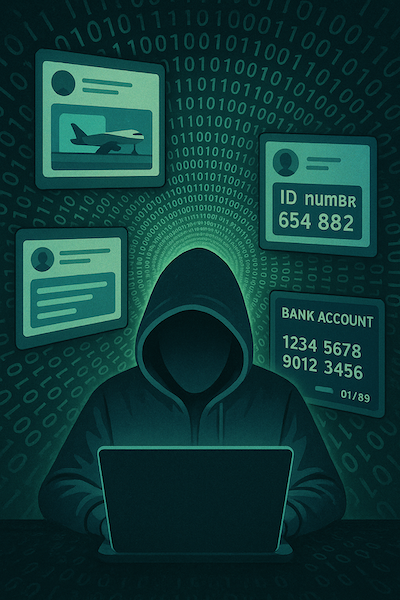
Every piece of information shared online contributes to your digital footprint. Cybercriminals can gather small bits of personal data from various posts to impersonate you, commit fraud, or even access your bank accounts. Even seemingly innocent posts, such as a picture of your boarding pass or a “fun quiz” about your first pet’s name, can provide hackers with enough information to crack security questions.
Every small detail you share online can become useful for scammers. The Federal Trade Commission explains how identity theft can happen when personal information is misused, which is why users should be careful about sharing birthdates, addresses, financial details, or account-related information on social media. You can also read our guide on how to spot phishing scams to understand how attackers use personal information to trick people.
One of the biggest Dangers of Oversharing is identity theft. Cybercriminals can collect small details from your posts, such as your birthdate, workplace, school name, pet name, or travel history, and use them to guess passwords, answer security questions, or create fake profiles.
2. Cyberstalking and Personal Safety Threats
Frequent location sharing and tagging can give strangers real-time access to your whereabouts. This is particularly dangerous for teenagers and influencers who unknowingly expose themselves to stalkers, unwanted attention, or even physical threats. Posting vacation plans in advance can also signal burglars that your home is unoccupied.
To reduce online safety risks, avoid sharing your live location, home address, travel plans, or daily routine publicly. The Cybersecurity and Infrastructure Security Agency recommends keeping personal details private and disabling location sharing on social media. For more practical safety tips, check our guide on smartphone privacy settings you should change today.
Another serious Danger of Oversharing is that it can expose your real-time location. When you post live updates, tag locations, or share your daily routine, strangers may be able to track your movements and personal habits.
3. Damage to Reputation and Future Opportunities
Social media posts never truly disappear, even if deleted. Screenshots, data backups, and archival tools can preserve content indefinitely. An inappropriate joke, offensive comment, or embarrassing moment shared today could resurface years later, potentially affecting college admissions, job prospects, and professional relationships.
The Dangers of Oversharing can also affect your reputation. A post made in anger, frustration, or excitement may seem harmless today, but it can be misunderstood, screenshotted, or resurfaced later during job searches, college admissions, or professional opportunities.
4. Online Scams and Phishing Attacks
Scammers often prey on oversharers by crafting personalized phishing messages to trick users into revealing passwords or financial details. If you frequently post about brands you like, travel plans, or financial struggles, you may become a target for fraudulent offers, fake giveaways, or identity theft scams.
Oversharing can also make phishing attacks more convincing because scammers may use your interests, travel updates, workplace details, or family information to create personalized messages. The Google Safety Center shares useful online security tips to help users avoid scams and protect their accounts. You can also read our related post on fake QR code scams and how to stay safe.
You may also like our guide on Fake QR Code Scams: 11 Dangerous Warning Signs You Must Know to understand how scammers use links and QR codes to steal personal information.
The Dangers of Oversharing increase when scammers use your personal details to create targeted phishing messages. For example, if you post about your bank, favorite brands, travel plans, or shopping habits, scammers may send fake offers or urgent messages that look more believable.
5. Mental and Emotional Consequences
Oversharing often leads to an unhealthy cycle of validation-seeking behavior. The pressure to constantly update others can contribute to anxiety, stress, and feelings of inadequacy. Additionally, sharing personal struggles with an online audience can invite unsolicited criticism, negativity, or even cyberbullying, which can affect mental well-being.
How to Avoid Oversharing and Stay Safe
1. Think Before You Post
Before sharing anything online, ask yourself:
- Would I be comfortable with this post being seen by a stranger, an employer, or a hacker?
- Could this post be misinterpreted or used against me in the future?
- Am I sharing details that could compromise my security?
2. Adjust Privacy Settings
Most social media platforms allow users to control who can view their posts. Set accounts to private, restrict audience settings, and regularly review who has access to your content. Avoid accepting friend requests from unknown individuals.
A good habit is to review your account privacy settings every few months. Make sure only trusted people can view your posts, stories, tagged photos, and personal information. For better account protection, you can also enable two-factor authentication and use strong passwords. Read our guide on how to create strong passwords for simple tips to secure your online accounts.
3. Limit Location Sharing
Turn off geotagging and avoid sharing real-time locations. If you want to post about an event or trip, do so after returning home to prevent potential risks.
4. Avoid Posting Personal Documents or Financial Details
Never share images of IDs, credit cards, bank statements, or any official documents. Even blurred-out sections can sometimes be enhanced by cybercriminals.
5. Be Cautious with Third-Party Apps and Quizzes
Many online quizzes and personality tests ask for personal details that can be used to guess passwords or security questions. Always verify the legitimacy of third-party apps before granting them access to your social media accounts.
6. Educate Yourself on Digital Hygiene
Understanding online safety is an ongoing process. Follow cybersecurity experts, stay updated on social media privacy policies, and be mindful of emerging online threats.

Final Thoughts
The Dangers of Oversharing on social media are real, but they can be avoided with awareness and smart digital habits. Social media is useful for connection, creativity, and self-expression, but sharing too much personal information can lead to privacy risks, identity theft, cyberstalking, scams, emotional stress, and reputation damage.
By understanding the Dangers of Oversharing, you can make better decisions before posting online. Avoid sharing real-time locations, personal documents, financial details, private emotions, and sensitive life updates with a public audience. In the online world, every post leaves a digital footprint, so it is always better to share less and protect more.



Leave a Reply
Want to join the discussion?Feel free to contribute!