
The Evolution of the World Wide Web
World Wide Web technology has changed how people communicate, search for information, shop online, learn, work, and connect across the globe. The World Wide Web began as a simple system for sharing linked documents, but it has grown into a powerful digital platform for websites, search engines, social media, e-commerce, cloud tools, streaming, and AI-driven experiences. This article explains the World Wide Web journey from Tim Berners-Lee’s early idea at CERN to Web 2.0, mobile browsing, cloud computing, and the future of decentralized online platforms.
For a trusted external reference, readers can explore CERN’s official page on the birth of the web here: https://home.cern/science/computing/birth-web. You can also read our related internal article on The Birth of Search Engines here: https://www.informationunboxed.com/the-birth-of-search-engines/ to understand how search engines helped make the World Wide Web easier to navigate and use.
The World Wide Web (WWW) has transformed the way we communicate, access information, shop, and work. What started as a simple system for sharing scientific research has grown into a global digital ecosystem that powers nearly every aspect of modern life. From static web pages to AI-driven interactions, the web has evolved at an astonishing pace, shaping industries, economies, and human behavior.
But how did it all begin? How did the web go from a text-based information system to the interactive, multimedia-rich platform we know today? Let’s take a journey through the evolution of the World Wide Web and explore how it has revolutionized the world.

The Birth of the Web
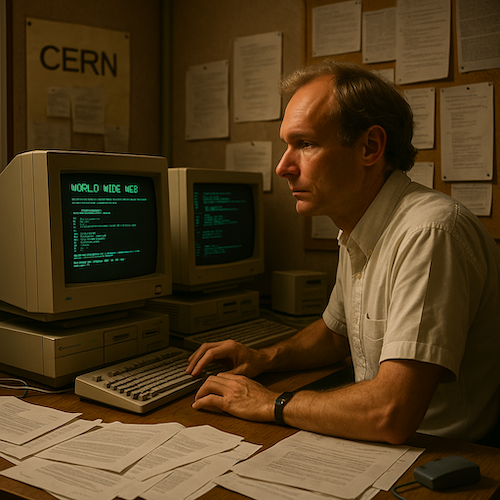
The World Wide Web was invented in 1989 by Tim Berners-Lee, a British scientist working at CERN (the European Organization for Nuclear Research). At the time, researchers struggled to share and organize information efficiently. Berners-Lee envisioned a universal system that allowed documents to be linked together using hypertext, making it easy to navigate between them.
To turn his idea into reality, he developed three essential technologies:
- HTML (HyperText Markup Language) – The standard language for creating web pages.
- HTTP (HyperText Transfer Protocol) – The set of rules that allows web pages to be transferred across networks.
- URL (Uniform Resource Locator) – A unique address that identifies web pages.
In 1991, Berners-Lee launched the first-ever website, marking the birth of the World Wide Web. Initially, the web was a collection of simple text-based pages accessible only to researchers, but it laid the foundation for something much bigger.
The Early Web (1990s)
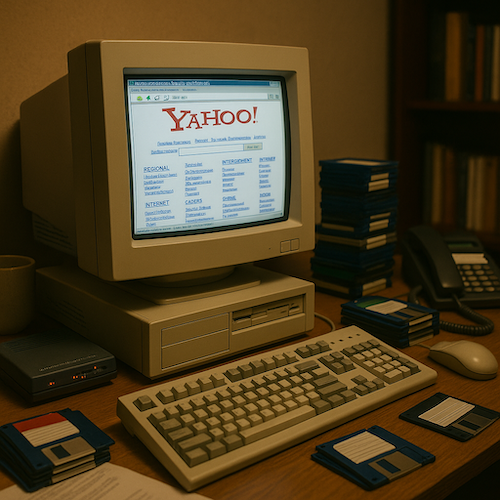
As the 1990s progressed, the web started reaching beyond research institutions. The introduction of the first web browsers, such as Mosaic (1993) and Netscape Navigator (1994), made it easier for people to access the internet. These browsers added support for images, links, and graphical elements, making websites more visually engaging.
During this time, several key developments shaped the web’s growth:
- The first search engines (Yahoo!, AltaVista, Lycos) emerged, helping users find information.
- E-commerce began with the launch of Amazon (1994) and eBay (1995).
- Web hosting and domain registration became widely available, allowing businesses and individuals to create their own websites.
By the late 1990s, the web had transformed into a commercial and informational hub, setting the stage for the next era of growth.
The Web 2.0 Era (2000s)
The early web was mostly static, meaning users could only read information without interacting much. But by the 2000s, the web evolved into a more dynamic and interactive space, giving rise to Web 2.0.
Web 2.0 introduced features that allowed users to contribute content, engage with websites, and connect with others, leading to the rise of:
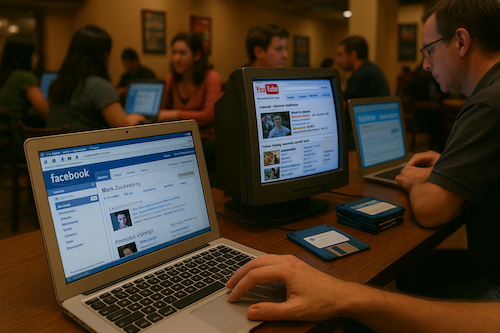
- Social media platforms like Facebook (2004), YouTube (2005), and Twitter (2006).
- User-generated content through blogs, forums, and wikis (Wikipedia launched in 2001).
- Streaming services, making online video and music consumption mainstream.
- E-commerce expansion, with platforms like Flipkart (2007) growing in popularity.
This era made the web more collaborative, social, and entertainment-driven, changing how people interacted online.
The Mobile and Cloud Era (2010s)
With the introduction of smartphones and faster internet speeds, the web became more mobile-focused in the 2010s. The launch of the iPhone in 2007 and the widespread adoption of Android devices allowed people to stay connected anywhere.
Key advancements during this period included:
- Mobile-responsive websites and the rise of apps for seamless browsing.
- Cloud computing, enabling services like Google Drive, Dropbox, and online collaboration tools.
- The dominance of social media and online video, with Instagram, TikTok, and live streaming platforms taking center stage.
- E-commerce growth, with faster deliveries and mobile payment systems revolutionizing online shopping.
This decade cemented the web as an indispensable part of daily life, with nearly every industry moving toward digital transformation.
The AI-Driven & Decentralized Web (2020s & Beyond)
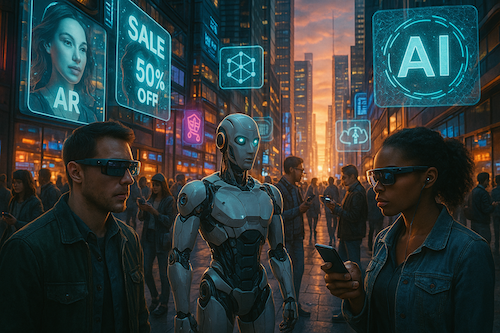
As we move into the 2020s, the web continues to evolve in ways never imagined before. Artificial intelligence, blockchain, and virtual reality are shaping the future of how we interact with online spaces.
Key trends defining the modern web include:
- Web 3.0 and Decentralization – Blockchain-powered platforms aim to give users more control over their data.
- AI-Powered Experiences – From chatbots to personalized recommendations, AI is making the web smarter.
- The Metaverse – Virtual and augmented reality are pushing the boundaries of digital interaction.
- 5G and Ultra-Fast Connectivity – Speed and reliability are making online experiences more seamless than ever.
With these advancements, the web is shifting from being just a tool for information to a fully immersive, intelligent, and decentralized digital ecosystem.
Conclusion
The World Wide Web has come a long way from a small research project at CERN to a global powerhouse connecting billions of people. What started as a system for sharing scientific documents has evolved into a multi-trillion-dollar digital universe that drives industries, economies, and human interactions.
As technology continues to advance, the web will keep evolving—becoming faster, smarter, and more immersive. Whether through AI, blockchain, or virtual reality, the internet’s next phase is set to reshape how we live, work, and connect in ways we can only imagine. The journey of the web is far from over—it is just getting started.
Frequently Asked Questions About the World Wide Web
1. What is the World Wide Web?
The World Wide Web is a system of linked web pages and online resources that users access through web browsers. It uses technologies like HTML, HTTP, and URLs to connect information across websites, making it easier for people to browse, search, read, shop, learn, and communicate online.
2. Who invented the World Wide Web?
The World Wide Web was invented by Tim Berners-Lee in 1989 while he was working at CERN. His goal was to create a simple way for researchers to share and connect documents using hypertext links, which later became the foundation of the modern web.
3. How has the World Wide Web evolved over time?
The World Wide Web has evolved from simple text-based pages in the 1990s to interactive websites, social media platforms, mobile apps, cloud services, streaming platforms, and AI-powered online tools. Each stage made the web faster, smarter, and more useful for everyday life.
4. What is the difference between the internet and the World Wide Web?
The internet is the global network that connects computers and devices, while the World Wide Web is one of the services that runs on the internet. In simple terms, the internet is the infrastructure, and the web is the collection of websites, links, pages, and online content we access through browsers.
5. Why is the World Wide Web important?
The World Wide Web is important because it makes information, communication, online shopping, education, entertainment, digital business, and remote work accessible to people around the world. It has changed how individuals, companies, governments, and communities connect and share knowledge.
6. What is the future of the World Wide Web?
The future of the World Wide Web will likely include more AI-powered search, personalized experiences, faster connectivity, decentralized platforms, virtual reality, augmented reality, and stronger privacy controls. As technology advances, the web will continue becoming more intelligent, immersive, and user-focused.




Leave a Reply
Want to join the discussion?Feel free to contribute!