
The Rise of Social Media
Social media has transformed the way people communicate, share, and consume information, becoming an integral part of daily life. What started as simple online networking platforms has evolved into a powerful digital ecosystem that influences business, politics, entertainment, and even human behavior. From early internet forums to today’s AI-driven content platforms, the journey of social media is nothing short of a revolution.
Social Media has become one of the most powerful forces in modern digital communication, changing how people connect, share news, build communities, promote businesses, and consume entertainment. From early platforms like Six Degrees and MySpace to Facebook, Instagram, YouTube, TikTok, and AI-driven recommendation systems, Social Media continues to shape online culture and user behavior. For a helpful external reference, readers can explore the Pew Research Center’s social media research here: https://www.pewresearch.org/topic/internet-technology/social-media/. You can also read our related internal article on The Evolution of Artificial Intelligence here: https://www.informationunboxed.com/the-evolution-of-artificial-intelligence/ to understand how AI is making Social Media platforms smarter, more personalized, and more engaging.
The Early Days
Before the world had Facebook, Instagram, or Twitter, the internet was already fostering online communities. The 1990s saw the rise of chat rooms, discussion forums, and early social platforms like Six Degrees (1997), which allowed users to create profiles and connect with friends. This laid the foundation for a new kind of digital interaction.
Then came platforms like Friendster and MySpace, which introduced personalized profiles, status updates, and the concept of online social circles. While these platforms were short-lived, they proved that people craved digital connections beyond just email and instant messaging.

The Facebook Era
The real shift in social media came in 2004 with the launch of Facebook. Originally built for college students, Facebook quickly expanded worldwide, bringing a new level of interaction with news feeds, photo sharing, and real-time engagement. Unlike its predecessors, Facebook focused on real identities, making social media feel more personal and authentic.
Around the same time, LinkedIn (2003) changed professional networking, allowing users to build career connections online. Meanwhile, YouTube (2005) revolutionized video content, enabling anyone to upload and share videos with a global audience. Social media was no longer just about profiles—it was about content creation and community engagement.

The Birth of Real-Time Social Media
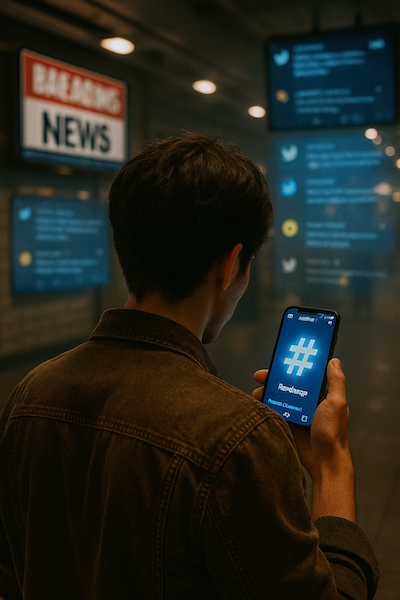
In 2006, Twitter introduced a new format: short, real-time updates in 140 characters. This changed the way people consumed news and engaged with the world. Suddenly, celebrities, politicians, and everyday users had a direct channel for real-time discussions. The hashtag (#) became a tool for global movements, trends, and activism, shaping public discourse in ways never seen before.
At the same time, social media became a major force in news distribution, often breaking stories faster than traditional media. This led to both empowerment and challenges, as misinformation and viral hoaxes also began spreading rapidly.
Instagram, Snapchat, and the Visual Revolution
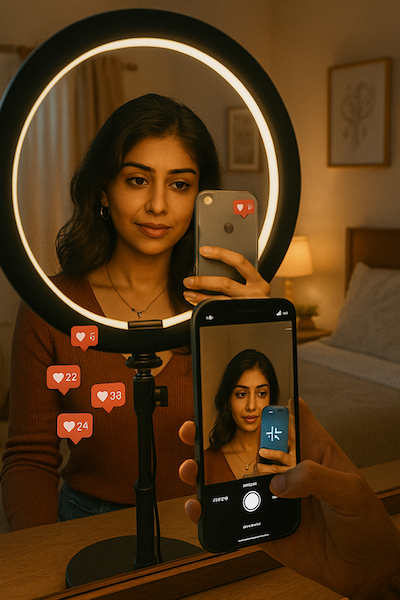
As smartphone technology improved, social media became more visual. Instagram (2010) shifted the focus to photo and video sharing, making aesthetics and storytelling the center of online engagement. Filters, hashtags, and influencers turned Instagram into a platform for branding, marketing, and self-expression.
Meanwhile, Snapchat (2011) introduced the concept of disappearing stories, which added an element of real-time, unfiltered sharing. This feature was later adopted by Instagram, Facebook, and even YouTube, showing how quickly social media platforms evolved based on user preferences.
TikTok and the Short-Video Boom
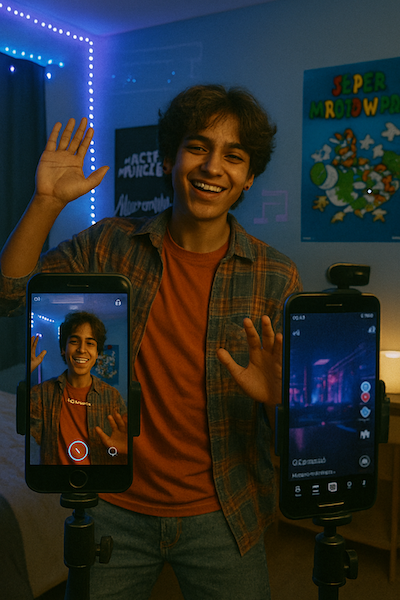
The 2020s saw the explosion of short-form video content, led by TikTok. The platform’s AI-driven recommendations and easy-to-create videos made it a favorite among younger audiences. TikTok wasn’t just an app—it became a cultural phenomenon, driving music trends, viral challenges, and even political discussions.
As a result, other platforms rushed to compete—Instagram launched Reels, YouTube introduced Shorts, and Facebook pushed video-first content. The battle for attention had shifted from static posts to fast, engaging, and interactive video experiences.
The Business of Social Media
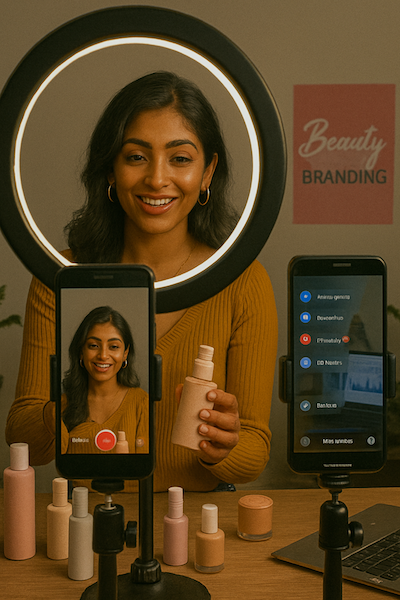
As social media grew, it became more than just a communication tool—it became a multi-billion-dollar industry. Companies leveraged platforms for advertising, customer engagement, and direct sales, while influencers turned their social media presence into full-fledged careers.
Features like Facebook Marketplace, Instagram Shopping, and live commerce blurred the lines between entertainment and retail. Social media was no longer just about content—it was about commerce, influence, and monetization.
The Challenges
With great power comes great responsibility. As social media platforms expanded, so did their challenges. Issues like data privacy breaches, misinformation, cyberbullying, and mental health concerns became major topics of debate. Governments worldwide began calling for regulation, ethical AI practices, and transparency in how social platforms operate.
At the same time, platforms introduced fact-checking tools, content moderation, and algorithm updates to combat fake news and harmful content. The balance between free speech and responsible content management remains one of the biggest challenges in the social media landscape.

The Future
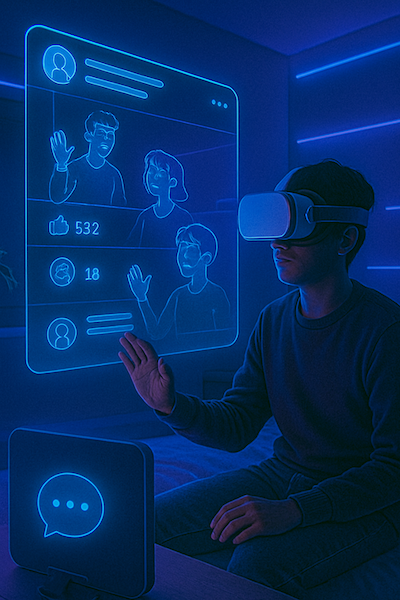
Social media is still evolving, with AI-driven personalization, virtual reality (VR), and the metaverse shaping the next phase. Companies like Meta (formerly Facebook) are investing heavily in VR social spaces, aiming to create a future where people interact in fully digital environments. AI is also making social media smarter, with chatbots, automated recommendations, and advanced content curation becoming the norm.
As technology advances, social media will continue to redefine how we connect, consume, and create. One thing is clear—the revolution of social media is far from over. It’s just getting started.
Frequently Asked Questions About Social Media
1. What is Social Media?
Social Media refers to online platforms and apps that allow people to create, share, and interact with content. Popular examples include Facebook, Instagram, YouTube, TikTok, LinkedIn, Snapchat, and X. These platforms help users communicate, follow trends, discover news, and build online communities.
2. How did Social Media begin?
Social Media began with early online communities, forums, chat rooms, and networking websites like Six Degrees, Friendster, and MySpace. These platforms introduced features such as user profiles, friend lists, comments, and online communities, which later shaped modern Social Media platforms.
3. Why is Social Media important today?
Social Media is important because it influences communication, business, entertainment, education, news, marketing, and public opinion. People use Social Media to stay connected, discover information, promote brands, follow creators, shop online, and participate in global conversations.
4. How has Social Media changed business and marketing?
Social Media has changed business by giving brands a direct way to reach customers, promote products, build communities, and run targeted ads. Platforms like Instagram, Facebook, LinkedIn, YouTube, and TikTok help businesses increase visibility, generate leads, and connect with audiences in real time.
5. What are the main challenges of Social Media?
The main challenges of Social Media include misinformation, privacy concerns, cyberbullying, data misuse, mental health effects, and excessive screen time. As Social Media platforms grow, users and companies need stronger safety practices, content moderation, and responsible digital habits.
6. What is the future of Social Media?
The future of Social Media will likely include more AI-powered recommendations, short-form videos, live shopping, virtual reality, creator monetization, and personalized content. Social Media may become more immersive as technologies like AI, AR, VR, and the metaverse continue to develop.




Leave a Reply
Want to join the discussion?Feel free to contribute!