
AI and Job Displacement: Impact & Future
AI and Job displacement is becoming a global concern as Artificial Intelligence (AI) revolutionizes industries worldwide, automating tasks once performed exclusively by humans. From manufacturing and customer service to finance and healthcare, AI-driven solutions are increasing efficiency, reducing costs, and transforming workflows. However, this progress comes with concerns about job displacement, as machines take over routine and even skilled roles.
While some jobs are becoming obsolete, AI is also creating new career opportunities and reshaping the skills required for the future workforce. The key question is: How can workers adapt to this shift and stay relevant in an AI-driven world?
AI and Job Displacement is becoming an important topic as automation changes how people work, learn, earn, and build careers. From manufacturing and customer service to finance, healthcare, retail, transportation, and creative industries, AI and Job Displacement can affect routine jobs while also creating demand for new skills in AI, data analysis, cybersecurity, robotics, and digital tools. The AI and Job Displacement debate is not only about jobs being replaced; it is also about reskilling workers, preparing students, supporting businesses, and helping people move into AI-augmented roles.
As companies adopt automation faster, AI and Job Displacement will remain a major concern for employees, employers, policymakers, and educators. A balanced approach to AI and Job Displacement should focus on training programs, digital literacy, ethical AI use, and career transition support. Understanding AI and Job Displacement can help workers identify safer career paths, learn future-ready skills, and use AI tools instead of being replaced by them.
For a helpful external reference, readers can explore the OECD’s official AI and work resource here: https://www.oecd.org/en/topics/ai-and-work.html. You can also read our related internal article on Regulating AI here: https://www.informationunboxed.com/regulating-ai-balancing-innovation-responsibility/ to understand how responsible AI policies may reduce the risks of AI and Job Displacement.
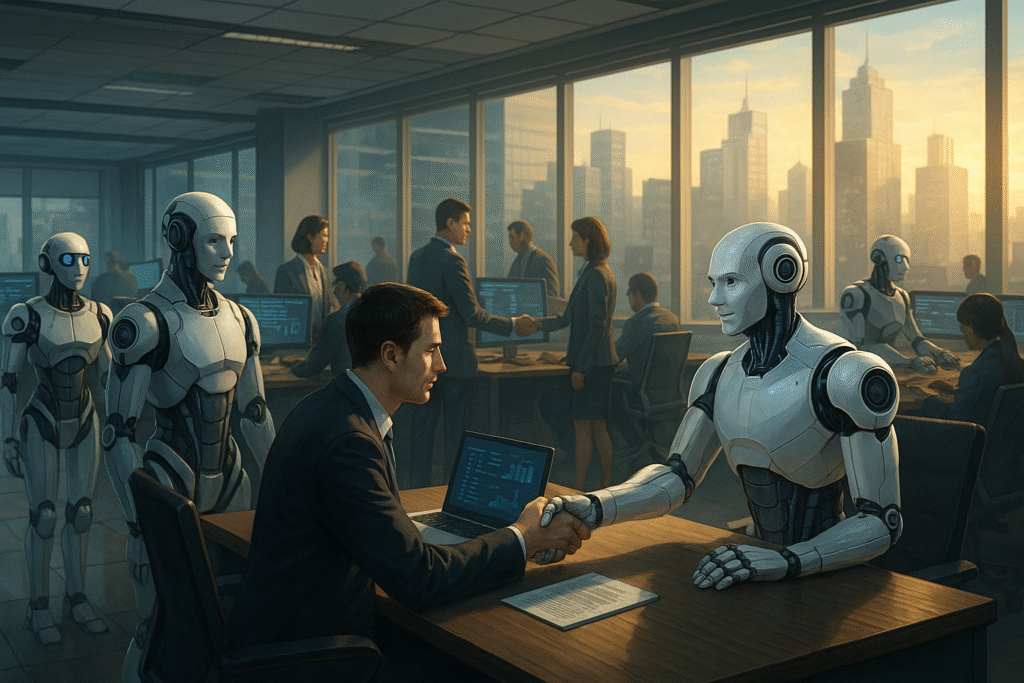
How AI is Replacing Traditional Jobs
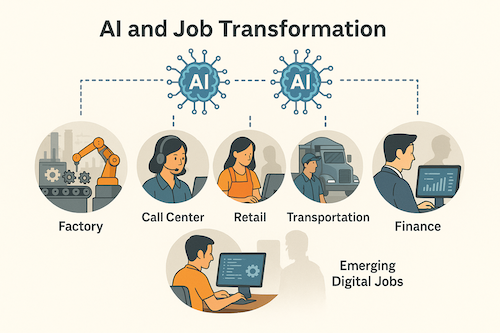
AI and automation are most effective in repetitive, predictable, and data-heavy tasks. Here are some industries where AI-driven displacement is already happening:
1. Manufacturing and Factory Work
Robotic automation has been replacing assembly line workers for years. Advanced AI-driven robots can now handle tasks such as packaging, welding, and quality control faster and more accurately than humans. As a result, traditional factory jobs are declining, with more emphasis on robot maintenance and programming roles.
2. Customer Service and Call Centers
AI-powered chatbots and virtual assistants are revolutionizing customer support. Companies are using AI to answer queries, process orders, and troubleshoot issues—reducing the need for human agents. Although complex issues still require human intervention, AI-driven automation has significantly reduced entry-level customer service roles.
3. Retail and E-commerce
Self-checkout kiosks, AI-driven inventory management, and automated online shopping assistants are reshaping the retail industry. Major e-commerce platforms use AI to personalize shopping experiences, manage supply chains, and predict consumer behavior, decreasing reliance on traditional retail employees.
4. Data Entry and Administrative Roles
Routine administrative tasks like data entry, invoice processing, and scheduling are now handled by AI-powered automation tools. With advancements in Optical Character Recognition (OCR) and Natural Language Processing (NLP), AI can analyze, categorize, and process documents with minimal human input.
5. Transportation and Delivery Services
Self-driving technology and AI-driven logistics systems are threatening traditional driving jobs. Companies like Tesla, Uber, and Waymo are investing in autonomous vehicles, while AI-powered delivery drones and robots are already operational in some cities. As these technologies improve, millions of transportation jobs could be at risk.
6. Financial Services and Banking
AI is rapidly replacing human roles in banking and finance. Robo-advisors manage investments, fraud detection systems analyze transactions, and AI-driven risk assessment tools evaluate creditworthiness more efficiently than human analysts. This has reduced the need for traditional bank tellers and financial analysts.
AI is Also Creating New Jobs and Opportunities
Despite job displacement, AI is creating new industries, roles, and career paths. The demand for AI specialists, data analysts, and automation experts is growing, and industries need professionals who can design, monitor, and improve AI-driven systems. Some emerging AI-driven careers include:
1. AI and Machine Learning Specialists
Developers who build, train, and optimize AI models are in high demand. These roles require expertise in programming languages like Python, TensorFlow, and deep learning frameworks.
2. Cybersecurity and AI Ethics Experts
As AI grows, so do cyber threats and ethical concerns. AI-powered security analysts and AI ethics consultants ensure that systems remain secure, fair, and unbiased.
3. Robotics Engineers and AI Technicians
With AI-driven automation expanding, businesses need engineers and technicians to maintain robots and automated systems. These roles require skills in mechanical engineering, AI integration, and troubleshooting.
4. Data Analysts and AI Trainers
AI relies on large amounts of data to function effectively. Data analysts help interpret trends and optimize AI systems, while AI trainers refine machine learning models by feeding them relevant data.
5. AI-Augmented Creative Roles
AI tools like ChatGPT, MidJourney, and DALL·E are transforming creative industries, but human creativity remains irreplaceable. Writers, graphic designers, and video editors are increasingly working alongside AI to enhance productivity, rather than being replaced.
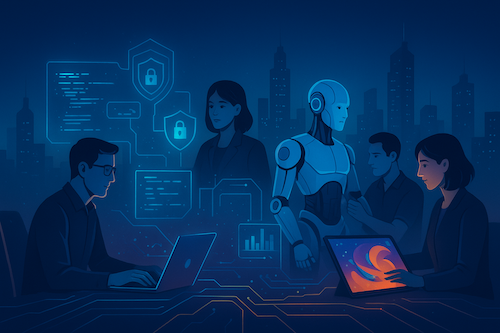
How to Stay Relevant in an AI-Driven Job Market
The future of work will be AI-augmented, not AI-replaced. To stay competitive, professionals must adapt and develop new skills. Here’s how:
1. Learn AI and Data Skills
Understanding AI, machine learning, and data analytics can make you more valuable in any industry. Online platforms like Coursera, Udemy, and LinkedIn Learning offer courses on AI and automation.
2. Focus on Soft Skills
AI excels at automation, but struggles with human skills like critical thinking, emotional intelligence, and communication. Enhancing your soft skills can set you apart from AI-driven automation.
3. Stay Updated on Industry Trends
Technologies evolve rapidly. Staying informed about new AI developments and industry changes can help you anticipate future job trends and adapt accordingly.
4. Embrace Lifelong Learning
The key to surviving AI disruption is continuous learning. Upskilling in AI, automation tools, coding, and emerging technologies can help you transition into AI-resistant roles.
5. Explore AI-Augmented Careers
Instead of fearing AI, leverage it. Learn how to use AI tools to boost productivity, streamline tasks, and improve decision-making in your field.
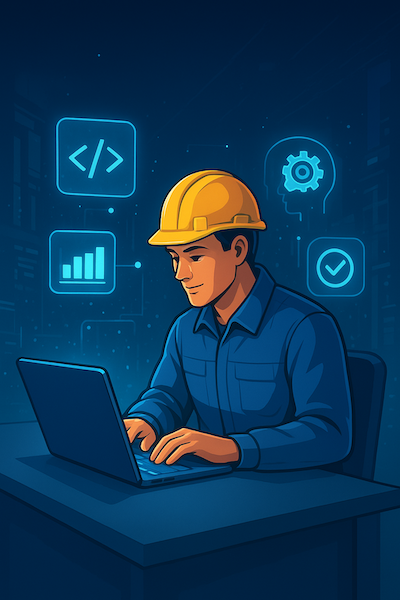
Conclusion
AI and automation are reshaping the workforce, making some jobs obsolete while creating new career opportunities. The key to thriving in an AI-driven world is adaptability. Instead of resisting AI, professionals must embrace technology, upskill, and develop expertise in fields that AI cannot fully replace.
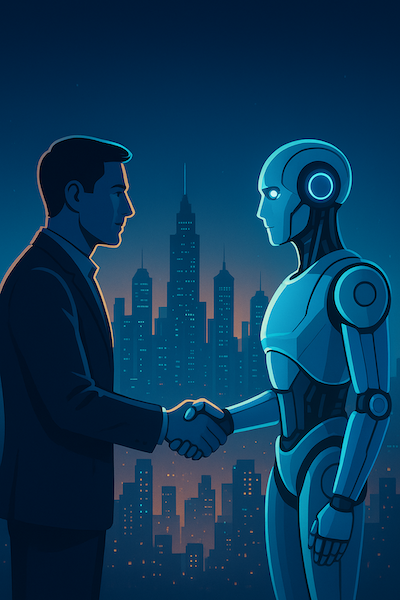
While AI will continue to transform industries, humans remain essential for creativity, ethical decision-making, and complex problem-solving. The future of work will be a collaboration between AI and humans, where those who adapt will lead the way.
Frequently Asked Questions About AI and Job Displacement
1. What is AI and Job Displacement?
AI and Job Displacement refers to the impact of artificial intelligence and automation on existing jobs. It happens when AI tools, robots, or software systems perform tasks that were earlier done by humans, especially repetitive, predictable, or data-heavy work.
2. Which jobs are most affected by AI and Job Displacement?
Jobs most affected by AI and Job Displacement include data entry, customer support, factory work, basic accounting, retail checkout, transportation, and routine administrative roles. However, jobs that require creativity, emotional intelligence, leadership, problem-solving, and human judgment are harder to fully automate.
3. Will AI completely replace human workers?
AI may replace some tasks and certain job roles, but it is unlikely to replace all human workers. In many industries, AI will work alongside people by handling repetitive tasks while humans focus on strategy, creativity, communication, ethics, and complex decision-making.
4. How can workers prepare for AI and Job Displacement?
Workers can prepare for AI and Job Displacement by learning AI tools, improving digital skills, studying data analysis, building communication skills, and staying updated with industry trends. Upskilling and lifelong learning can help professionals move into AI-supported or AI-resistant careers.
5. Is AI creating new job opportunities?
Yes, AI is creating new job opportunities in areas like machine learning, data science, cybersecurity, robotics, AI ethics, automation management, prompt engineering, and AI product development. As companies adopt AI, they also need people who can build, manage, monitor, and improve these systems.
6. What industries are most likely to change because of AI?
Industries most likely to change because of AI include manufacturing, finance, healthcare, retail, transportation, customer service, education, marketing, and media. In these sectors, AI can automate routine tasks, improve decision-making, and create new ways of working.
7. Why is AI and Job Displacement important for the future?
AI and Job Displacement is important because it affects employment, wages, education, business strategy, and government policy. Understanding this shift can help workers, companies, and policymakers prepare for a future where humans and AI work together more closely.



Leave a Reply
Want to join the discussion?Feel free to contribute!