
Battery Technology in EVs: How It Works and What’s Next
Introduction
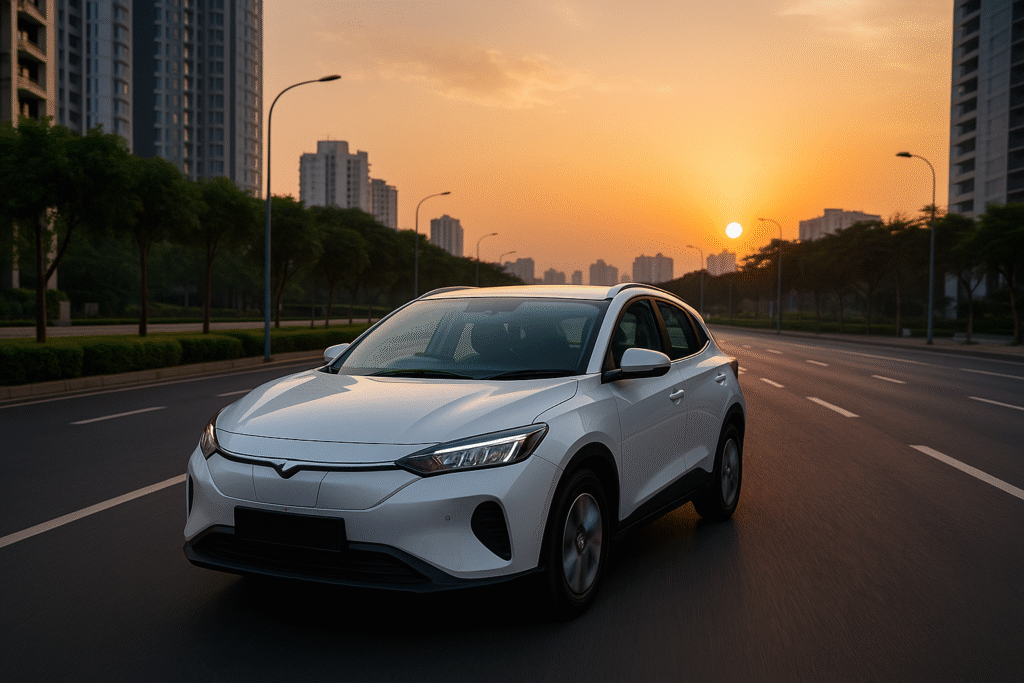
In the ever-evolving world of electric vehicles (EVs), battery technology stands at the heart of innovation. These compact powerhouses have transformed the way we think about transportation, offering a cleaner, quieter, and more sustainable alternative to traditional internal combustion engines. But how do they work, and what does the future hold for this pivotal technology? Let’s dive in.
Future battery solutions is changing how electric vehicles store energy, charge faster, deliver better driving range, and support cleaner transportation. Most modern electric cars use lithium-ion battery packs, while future improvements may include solid-state cells, safer charging systems, better recycling, second-life storage, and improved thermal management.
Instead of repeating the same focus keyword again and again, use related phrases like EV batteries, electric vehicle batteries, lithium-ion cells, battery packs, energy storage, charging systems, battery chemistry, and electric mobility innovation.
For a helpful external reference, readers can check the U.S. Department of Energy’s electric vehicle battery overview here: https://afdc.energy.gov/vehicles/electric_batteries.html. You can also read our related internal article on Silicon vs Lithium-Ion vs Solid-State here: https://www.informationunboxed.com/silicon-vs-lithium-ion-vs-solid-state/ to understand how different battery types may shape the future of electric mobility.
The Inner Workings of EV Batteries
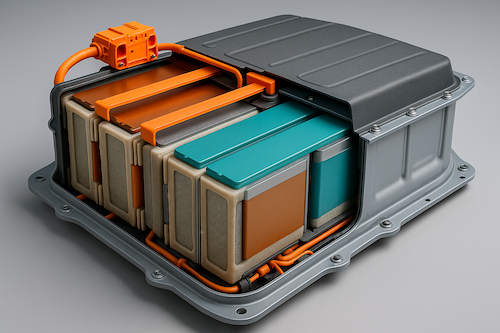
At the core of every EV lies a rechargeable battery pack, typically made of lithium-ion cells. Similar to the batteries in your smartphone or laptop, these cells store electrical energy and release it as needed. However, EV batteries are scaled up dramatically, capable of powering a vehicle for hundreds of kilometers on a single charge.
The battery pack consists of multiple cells grouped into modules, and these modules are housed in a protective casing. Each cell contains three main components:
- Anode (negative electrode): Usually made of graphite, it stores lithium ions during charging.
- Cathode (positive electrode): Made from materials like nickel, manganese, or cobalt, it releases lithium ions during discharge.
- Electrolyte: A liquid or gel that allows lithium ions to flow between the anode and cathode.
When you plug in your EV to charge, lithium ions move from the cathode to the anode, storing energy. When you drive, the process reverses: the ions flow back to the cathode, generating electricity that powers the motor.
Efficiency and Longevity
Efficiency and longevity are critical factors in EV battery performance. Manufacturers continuously strive to improve energy density—how much energy a battery can store relative to its size and weight. Higher energy density means longer driving ranges without increasing the battery’s size or weight.
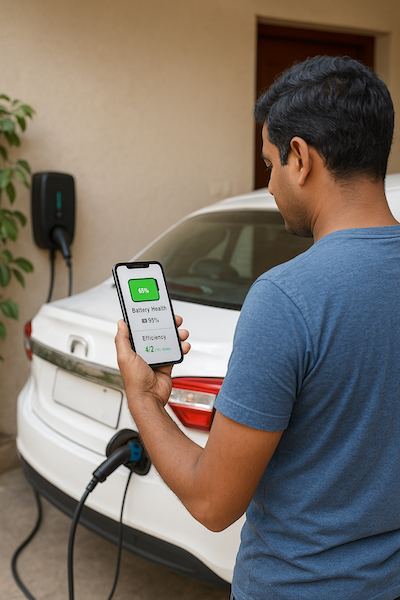
Battery longevity is another concern. Over time, repeated charging and discharging can degrade the battery, reducing its capacity. Advances in battery chemistry and thermal management systems aim to minimize this degradation, ensuring EVs remain reliable for years.
Charging Infrastructure and Speed
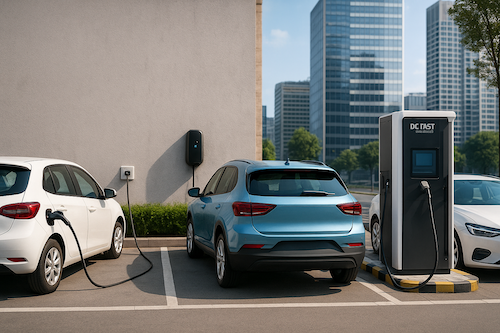
Charging speed is another area of intense focus. Current EVs support different levels of charging:
- Level 1: Basic home charging from a standard outlet, which is slow but accessible.
- Level 2: Faster home or public charging, ideal for overnight replenishment.
- DC Fast Charging: Rapid charging stations that can recharge 80% of a battery in 30-60 minutes.
As charging networks expand, the convenience of owning an EV improves. Governments and private companies worldwide are investing heavily in charging infrastructure to support the growing EV market.
What’s Next for EV Batteries?
The future of EV battery technology is brimming with possibilities. Researchers and manufacturers are exploring innovations to overcome current limitations and enhance sustainability. Here are some promising developments:
1. Solid-State Batteries
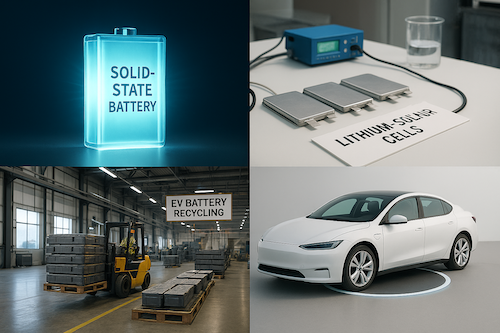
Solid-state batteries replace the liquid electrolyte with a solid material, making them safer and capable of higher energy densities. They promise longer ranges, faster charging, and reduced risk of overheating or fire.
2. Lithium-Sulfur and Lithium-Air Batteries
These next-generation chemistries could offer even greater energy densities than lithium-ion batteries. Lithium-sulfur batteries are lighter and more cost-effective, while lithium-air batteries have the potential to rival the energy density of gasoline.
3. Recycling and Second-Life Applications
As EV adoption grows, recycling old batteries and repurposing them for less demanding applications, such as energy storage for homes, becomes crucial. Companies are developing efficient recycling methods to recover valuable materials like lithium, cobalt, and nickel, reducing environmental impact.
4. Wireless Charging
Imagine charging your EV simply by parking over a special pad. Wireless charging technology aims to make this a reality, further simplifying the EV experience.
A Greener Tomorrow
The rapid advancements in battery technology are driving the EV revolution, making electric cars more accessible, efficient, and sustainable. As we transition away from fossil fuels, these innovations are not just shaping the future of transportation but also contributing to a greener, cleaner planet.
Frequently Asked Questions About Battery Technology in EVs





Leave a Reply
Want to join the discussion?Feel free to contribute!