
Maintaining an Electric Vehicle: Costs and Best Practices
Electric vehicles (EVs) are no longer a futuristic concept—they’re a mainstream reality, promising sustainability and cost-efficiency. But owning an EV comes with its unique set of challenges and advantages, especially when it comes to maintenance. While EVs are known for their lower upkeep costs compared to traditional internal combustion engine (ICE) vehicles, understanding the nuances of maintaining them is essential to maximize their lifespan and efficiency.
Maintaining an Electric Vehicle is important for getting better battery life, lower running costs, safer performance, and long-term value from your EV. While Maintaining an Electric Vehicle, owners should focus on battery care, tire pressure, brake checks, software updates, charging habits, cooling systems, and regular service inspections. This guide on Maintaining an Electric Vehicle helps readers understand EV maintenance costs, battery replacement expenses, charging costs, tire wear, regenerative braking benefits, and long-term savings compared to petrol or diesel vehicles.
A smart approach to Maintaining an Electric Vehicle includes avoiding frequent fast charging, keeping the battery between 20% and 80%, rotating tires on time, updating vehicle software, and scheduling routine check-ups. If you are new to Maintaining an Electric Vehicle, it is important to understand that EVs have fewer moving parts but still need proper care for the battery, motor, electronics, brakes, and tires.
For a helpful external reference, readers can check the U.S. Department of Energy’s electric vehicle maintenance guide here: https://afdc.energy.gov/vehicles/electric-maintenance. You can also read our related internal article on Silicon vs Lithium-Ion vs Solid-State here: https://www.informationunboxed.com/silicon-vs-lithium-ion-vs-solid-state/ to understand how battery technology affects EV performance, lifespan, and maintenance.
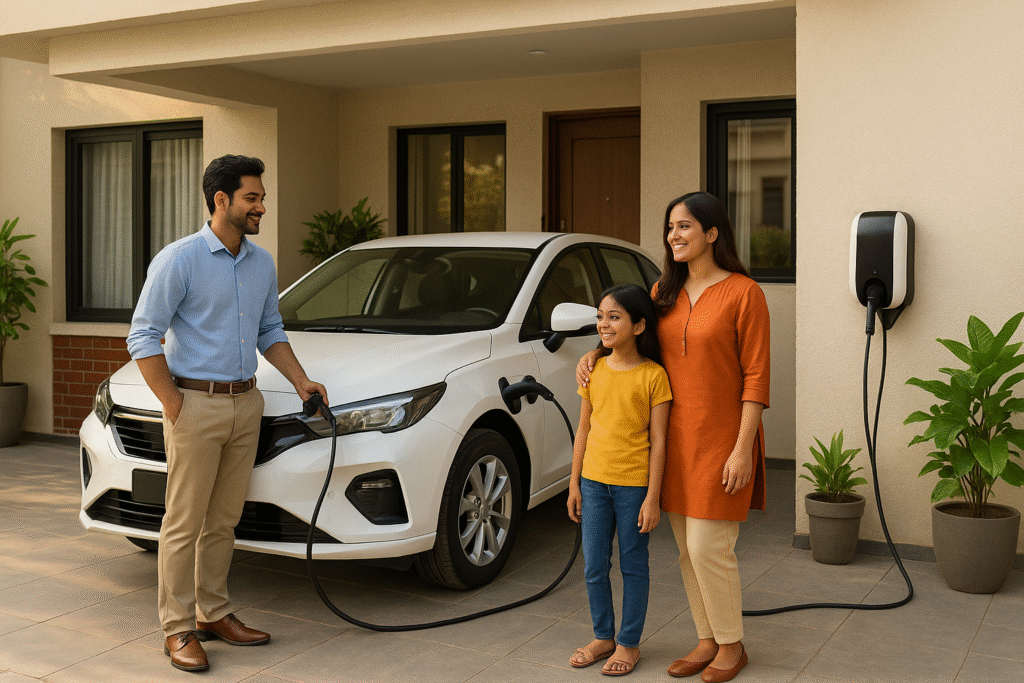
Understanding EV Maintenance
One of the most significant benefits of electric vehicles is the simplicity of their design. Unlike ICE vehicles, EVs have fewer moving parts, eliminating the need for oil changes, timing belts, and exhaust system repairs. The main components requiring attention in an EV are:
- Battery Pack: The heart of the EV, responsible for storing and supplying energy.
- Electric Motor: Converts electrical energy into mechanical energy to drive the wheels.
- Regenerative Braking System: A dual-purpose system that slows the vehicle while recharging the battery.
- Software and Electronics: Integral for managing energy distribution and vehicle functions.

Cost of Maintaining an EV
The cost of maintaining an EV is generally lower than that of an ICE vehicle, but some expenses are unique:
- Battery Maintenance and Replacement: The battery is the most expensive component of an EV. Proper care can extend its lifespan to 8-10 years or more. However, replacing a battery pack can cost anywhere between ₹3 lakh to ₹7 lakh, depending on the model and capacity.
- Tire Replacement: EVs are heavier due to their battery packs, which can cause faster tire wear. High-quality, EV-specific tires may cost slightly more.
- Brake System Maintenance: Thanks to regenerative braking, traditional brake pads last longer in EVs. Replacement costs are relatively low and infrequent.
- Software Updates: Many EV manufacturers provide over-the-air (OTA) updates, but occasional paid updates or subscriptions may be required for advanced features.
- Charging Costs: Home charging stations, though a one-time investment, add to initial costs. Public charging costs vary depending on location and provider.
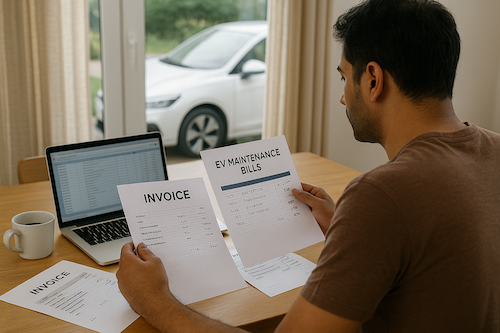
Best Practices for EV Maintenance
To keep your EV running smoothly and efficiently, here are some practical tips:
- Battery Care:
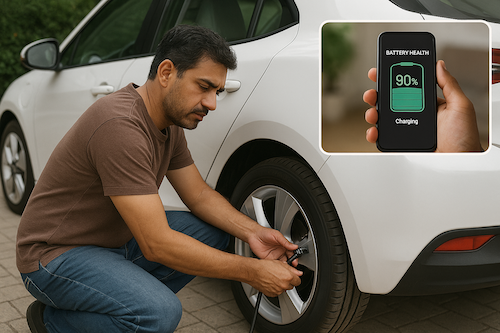
- Avoid deep discharges and frequent overcharging. Keep the battery charged between 20-80% for optimal longevity.
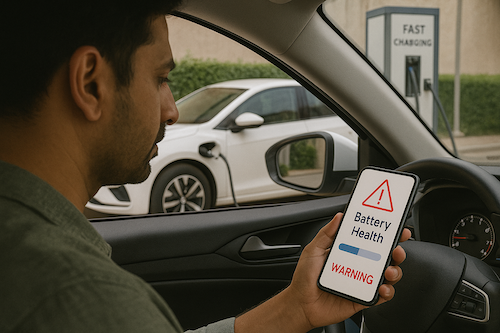
- Use fast charging sparingly, as it generates more heat, which can degrade battery health over time.
- Tire Maintenance:
- Regularly check tire pressure and alignment to ensure even wear and improve energy efficiency.
- Rotate tires every 10,000-15,000 km to extend their lifespan.
- Brake System:
- Take advantage of regenerative braking to reduce wear on brake pads.
- Have the braking system inspected during routine check-ups.
- Software Updates:
- Stay updated with the latest software releases to improve performance, efficiency, and safety features.
- Climate Considerations:
- Extreme temperatures can impact battery performance. Use climate control features efficiently and park in shaded or temperature-controlled areas when possible.
- Regular Service Checks:
- Schedule routine inspections to identify potential issues early, particularly with the battery, motor, and electronics.
Long-Term Savings with EVs
Although the initial cost of purchasing an EV might be higher, the long-term savings can be substantial:
- Fuel Savings: Electricity is significantly cheaper than petrol or diesel, reducing daily running costs.
- Lower Maintenance Costs: Fewer components mean fewer repairs and replacements.
- Incentives and Subsidies: Many governments offer tax breaks, subsidies, and reduced road taxes for EV owners.
- Resale Value: With the growing demand for EVs, resale values are expected to remain robust.

Common Mistakes to Avoid
- Neglecting Battery Care: Overcharging or letting the battery completely drain can shorten its lifespan.
- Ignoring Tire Health: Uneven wear can lead to decreased efficiency and safety risks.
- Delaying Software Updates: Updates often include critical performance and security enhancements.
- Over-Reliance on Public Charging: Frequent use of fast chargers can degrade the battery faster than home charging.
Frequently Asked Questions About Maintaining an Electric Vehicle
1. Is maintaining an electric vehicle cheaper than a petrol or diesel car?
Yes, Maintaining an Electric Vehicle is usually cheaper than maintaining a petrol or diesel car because EVs have fewer moving parts. They do not need oil changes, spark plug replacements, exhaust repairs, or fuel system maintenance. However, battery care, tire maintenance, software updates, and charging habits are still important.
2. What is the most expensive part of EV maintenance?
The battery pack is usually the most expensive part of EV maintenance. With proper charging habits and regular care, an EV battery can last many years, but replacement costs can be high depending on the vehicle model and battery capacity.
3. How often should an electric vehicle be serviced?
Most electric vehicles need routine inspections at regular intervals recommended by the manufacturer. While Maintaining an Electric Vehicle, owners should check the battery system, brakes, tires, cooling system, software, suspension, and electrical components during scheduled service visits.
4. Do electric vehicles need oil changes?
No, electric vehicles do not need engine oil changes because they do not have traditional internal combustion engines. This is one of the main reasons EV maintenance is simpler and often more affordable than petrol or diesel vehicle maintenance.
5. How can I extend my EV battery life?
To extend EV battery life, avoid frequent deep discharge, do not overcharge regularly, use fast charging only when needed, park in shaded areas during extreme heat, and try to keep the battery between 20% and 80% for daily use.
6. Why do EV tires wear out faster?
EV tires may wear out faster because electric vehicles are heavier due to battery packs and deliver instant torque. Regular tire rotation, proper tire pressure, wheel alignment, and choosing good-quality tires can help reduce uneven wear.
7. Are EV brakes expensive to maintain?
EV brakes are usually not very expensive to maintain because regenerative braking reduces wear on brake pads. However, the brake system should still be inspected regularly to ensure safe performance.
8. What are the best practices for maintaining an electric vehicle?
The best practices for Maintaining an Electric Vehicle include following proper charging habits, checking tire pressure, rotating tires, updating software, servicing the vehicle on time, avoiding excessive fast charging, and monitoring battery health.
9. Can software updates improve EV performance?
Yes, software updates can improve EV performance, driving efficiency, battery management, safety features, navigation, and charging behavior. Owners should install official updates whenever they are available.
10. Is home charging better for EV battery health?
Home charging is generally better for regular use because it is slower and produces less heat than frequent fast charging. Using a home charger for daily charging can help support better battery health and long-term EV performance.
Conclusion
Maintaining an electric vehicle is simpler and more cost-effective than traditional vehicles, but it requires a new mindset and awareness of its unique features. By following best practices, you can ensure that your EV delivers optimal performance and remains an eco-friendly, cost-efficient choice for years to come. As the world moves towards a sustainable future, taking proper care of your EV not only benefits you but also contributes to a greener planet.





Leave a Reply
Want to join the discussion?Feel free to contribute!